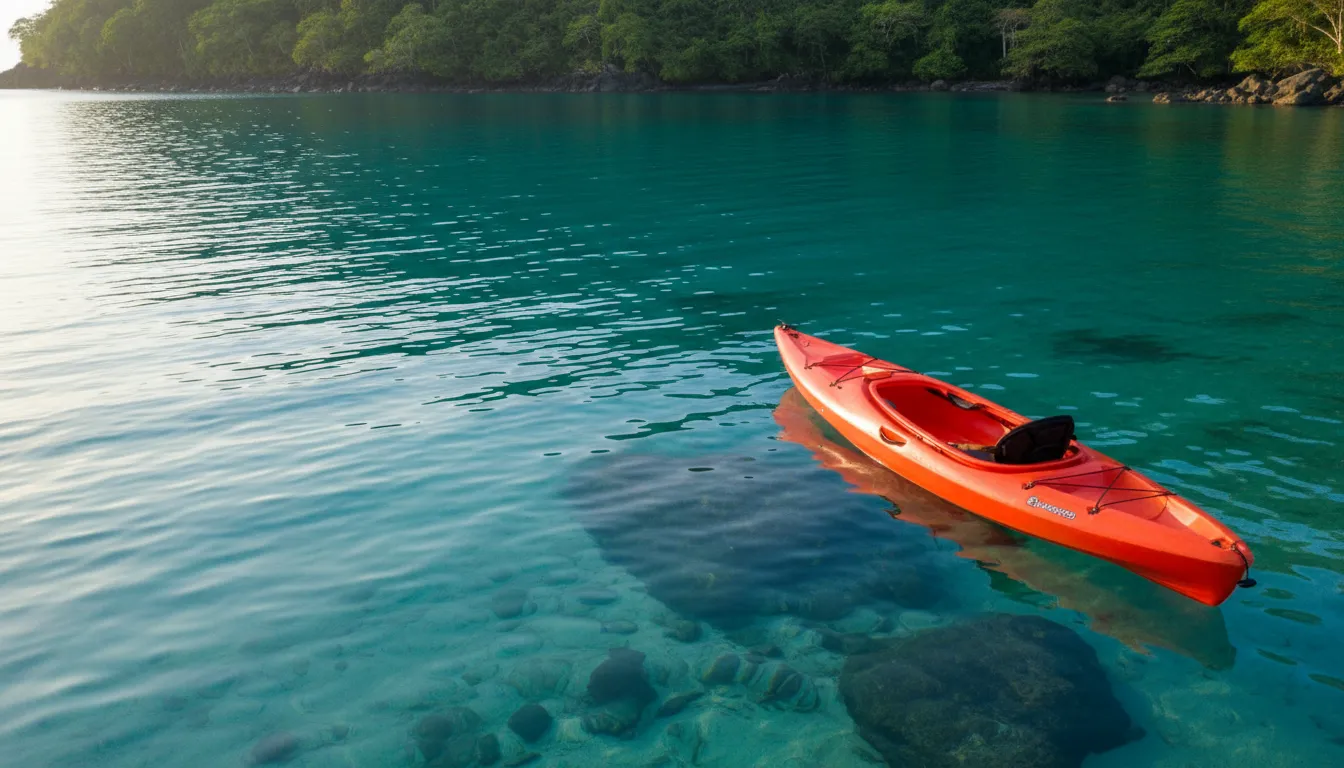
Sure, you could spend your entire Jaco vacation perfecting your surf stance or dissolving into a beach chair with a frozen cocktail. But here’s what the crowds don’t realize: some of Costa Rica’s most stunning coastline reveals itself only to those willing to grab a paddle. While everyone else is jockeying for wave position at the main beach break, you could be gliding into hidden coves where the only sounds are your paddle slicing water and howler monkeys providing unsolicited commentary from the jungle canopy. Kayaking in Jaco Beach isn’t just another box to tick on your adventure list—it’s how you access the quieter, wilder version of paradise that exists just beyond the surf zone. Whether you’re seeking a meditative morning paddle or a guided expedition to secret snorkeling spots, Jaco’s kayaking scene delivers both serenity and surprise in equal measure.
Why Kayaking Jaco Isn’t Just for the Birds (But You’ll See Plenty)
Let’s address the obvious: Jaco Beach is synonymous with surfing. But here’s the thing about paddling a kayak instead of a surfboard—you actually get somewhere. While surfers are locked in their eternal dance with breaking waves, kayakers slip past the chaos into Jaco’s quieter corners, where the coastline gets interesting. We’re talking tranquil coves flanked by volcanic rock formations, secret beaches accessible only by water, and mangrove estuaries where the ecosystem puts on a better show than anything streaming back home.
The fitness benefits are a sneaky bonus. Kayaking delivers a genuine full-body workout—shoulders, core, legs—all while you’re too distracted by the scenery to realize you’re exercising. Perfect for offsetting those extra servings of casado and Imperial beers. But the real payoff is the front-row seat to marine life and coastal ecosystems most visitors never see. Spotted eagle rays gliding beneath your hull. Frigatebirds overhead. The occasional dolphin pod that decides you’re interesting enough to investigate. And unlike high-adrenaline activities that leave you too breathless to appreciate the moment, kayaking lets you actually absorb the experience. It’s meditation disguised as adventure, which is very on-brand for Costa Rica’s pura vida philosophy.
Jaco’s Prime Paddling Grounds: Beyond the Main Beach Break
Here’s what the rental shops won’t necessarily advertise: Jaco’s main beach, while spectacular for surfing, ranks somewhere between “challenging” and “why did I think this was a good idea” for kayaking. The surf break that makes it famous creates conditions better suited for experienced paddlers who enjoy a workout with their scenery. For everyone else—especially families and those who prefer their water activities on the calmer side—you’ll want to explore slightly north or south.
Playa Agujas, just north of Jaco, offers protected waters where you can actually have a conversation without shouting over crashing waves. The rocky coastline here creates natural barriers that calm the surf, making it ideal for beginners and wildlife spotting. South toward Herradura, you’ll find coves and inlets that feel a thousand miles from the main tourist corridor, despite being a quick drive away. These are the launch points most guided tours favor, which should tell you something about their superiority for paddling.
What makes these spots special isn’t just the calmer water—it’s the biodiversity. The transition zones where jungle meets ocean create habitat for an absurd concentration of wildlife. Monkeys swinging through beachside trees. Sloths doing their glacial thing in the canopy. If you’re lucky, scarlet macaws painting the sky red and blue. The guides know exactly where to position you for the best sightings, which is worth the price of admission alone. And because Jaco Beach Zen sits conveniently close to these launch points, you’re looking at a short drive or easy taxi ride rather than an expedition just to reach your expedition.
Rental Rundown: Scoring the Right Kayak & Gear in Jaco
Most Jaco rental outfits stock sit-on-top kayaks, and there’s good reason for this. Unlike traditional sit-inside models, these open designs are nearly impossible to capsize, and if you do manage it, re-entry doesn’t require a PhD in gymnastics. Perfect for families, beginners, or anyone who’d rather spend their energy paddling than worrying about rolling techniques. When you’re selecting your vessel, ask specifically for paddles with leashes—those lightweight paddles have an unfortunate habit of escaping into the Pacific the moment you stop paying attention, and the ocean has a strict no-returns policy.
Life jackets should be non-negotiable, and reputable rental shops won’t even give you the option to decline. Make sure they fit properly, especially for kids. A life jacket that’s too large is basically decorative, and we’re going for functional here. Beyond the basics, you’ll want to think about sun protection with the seriousness it deserves. The Costa Rican sun operates at a different intensity than whatever you’re used to back home. Broad-brimmed hats that won’t blow off in ocean breezes, UV-protective shirts, and reef-safe sunscreen (regular stuff damages the coral ecosystems you’re paddling over to see) should all make the packing list. A dry bag for your phone, keys, and snacks is also smart—salt water and electronics maintain a famously contentious relationship.
Guided Kayak Tours: Your Local Navigator to Hidden Gems (and Dolphins!)
You could absolutely rent a kayak and DIY your adventure, and for experienced paddlers familiar with ocean conditions, that works fine. But going with a guide isn’t just about safety—it’s about accessing local knowledge you can’t Google. Guides know which rock formations hide the best snorkeling, where dolphins regularly hunt in the mornings, and which tidal patterns create optimal conditions. They’ve got stories about the ecosystem, the history, and occasionally the questionable decisions previous tourists have made (anonymously, of course).
The best tours combine kayaking with snorkeling, creating a hybrid adventure that maximizes your time on the water. You’ll paddle to a protected cove where the visibility is crystal-clear and the marine life abundant, then anchor your kayak and slip into the water to explore up close. Many outfitters include snacks, water, and sometimes even fresh fruit—which tastes unreasonably good when you’ve been paddling for an hour. The combination of effort and reward hits differently when someone else handles the logistics.
Look for operators offering small group sizes rather than cattle-call tours. Six to eight people max means your guide can actually answer your questions and adjust the route based on group ability and interests. And if you’re staying at Jaco Beach Zen, our team can connect you with reputable local operators we trust—the ones who prioritize safety and experience over cramming as many tourists as possible into kayaks.
Timing is Everything: When to Paddle, Not Perish
The early bird doesn’t just get the worm in Jaco—it gets glassy water, cooler temperatures, and wildlife that’s actually awake and active. Morning paddles, especially those starting around 7 or 8 AM, offer conditions dramatically better than afternoon sessions. The Pacific tends to wake up grumpy around midday, with winds picking up and turning previously calm water into a choppier proposition. If you’re not naturally an early riser, the payoff here makes the alarm clock worthwhile.
Tides matter more than casual paddlers realize. Paddling against a strong incoming tide transforms a leisurely coastal cruise into an unintentional CrossFit session. Your arms will file a formal complaint. Checking tide charts before heading out—or better yet, booking with a guide who already knows the patterns—saves you from learning this lesson the hard way. Low tide also reveals rocky areas and shallow spots that could complicate navigation, while high tide opens up routes into mangrove channels and hidden inlets. This isn’t rocket science, but it is actual science, and paying attention makes the difference between a great experience and a exhausting one.
Safety First (and Second, and Third): Keeping Your Paddle Perfect
The Pacific Ocean off Jaco maintains a well-deserved reputation for being gorgeous but occasionally temperamental. Even on days when the water looks calm as a swimming pool, conditions can shift faster than your ability to react. This isn’t meant to scare you—thousands of people kayak here safely every year—but it does mean treating the ocean with appropriate respect. Always inform someone of your paddling plans and expected return time. If you’re staying at Jaco Beach Zen, our property management team is available to check in with guests and can serve as your shore contact.
Hydration deserves its own paragraph because dehydration sneaks up on you when you’re surrounded by water. The combination of sun, exertion, and ocean breeze creates the perfect storm for underestimating how much you’re sweating. Bring significantly more water than seems reasonable. A good rule: if you think you have enough, add another bottle. A dry bag for essentials—phone, keys, wallet, snacks—protects your valuables from the inevitable splashes and occasional wave. Get one with a proper seal, not the kind that’s “water-resistant” in the same way a screen door is “security.”
If you’re paddling with kids, double-check that life jackets fit properly and consider keeping younger children in tandem kayaks with adults rather than solo vessels. The ocean doesn’t care about confidence levels, only competence. And speaking of security-conscious decisions, Jaco Beach Zen provides a secure home base for storing belongings you don’t need on the water, plus local insights on current conditions and safe practices. Because the best adventures are the ones where everyone makes it back for happy hour.
Frequently Asked Questions
Is kayaking in Jaco Beach suitable for beginners?
Absolutely, with the right conditions and location. Stick to calmer areas like Playa Agujas or guided tours that specifically cater to beginners rather than attempting Jaco’s main surf break. Sit-on-top kayaks are stable and forgiving, making them perfect for first-timers. Most rental shops and tour operators will assess your experience level and recommend appropriate routes. If you can walk and chew gum simultaneously, you have the coordination required for basic kayaking. The ocean will help you improve quickly—it’s a surprisingly effective instructor.
Can you kayak with dolphins in Jaco, and what’s the best time?
Dolphin sightings happen regularly off Jaco’s coast, particularly during early morning hours when pods are actively hunting. While no operator can guarantee wildlife encounters—dolphins didn’t get the memo about tour schedules—your odds improve significantly with guides who know where dolphins frequent. The calm conditions of early morning also make it easier to spot their dorsal fins and track their movement. Bring a waterproof camera, keep your distance to avoid disturbing them, and prepare for one of those moments that makes you forget how sore your shoulders are.
What are the typical kayak rental prices in Jaco?
Basic kayak rentals run between $15-30 for a half-day session, with full-day rates climbing to $30-50 depending on kayak type and included equipment. Tandem kayaks cost slightly more than singles. Guided tours with equipment included typically range from $50-100 per person, varying based on duration, group size, and whether extras like snorkeling or snacks are included. These prices reflect current market rates but can fluctuate with season and demand. Always confirm what’s included—life jackets, paddles, dry bags—before booking.
Are there private kayak tours available for families or small groups?
Yes, and they’re often worth the premium pricing for the personalized experience. Private tours let you set the pace, take breaks when kids need them, and adjust routes based on your group’s interests and abilities. Expect to pay $200-400 for a private half-day tour accommodating four to six people. The guide’s undivided attention means better instruction, more flexibility, and the ability to linger at spots your group finds particularly interesting. For families with young children or groups with varying skill levels, private tours eliminate the pressure of keeping up with strangers.
What should I wear and bring for a kayaking trip in Jaco?
Quick-dry clothing beats cotton every time—when you get wet (not if, when), you’ll appreciate materials that don’t stay soggy. Swimsuit as a base layer, UV-protective shirt on top, board shorts or athletic pants on bottom. Secure footwear that can get wet, like water shoes or Tevas, protects feet from rocky launch points. Don’t forget reef-safe sunscreen, polarized sunglasses with a retention strap, a wide-brimmed hat, and plenty of water. Dry bag for valuables. Snacks for energy. Camera for proof this actually happened.
Are there any age restrictions for kids wanting to kayak in Jaco?
Most operators set minimum ages around 5-6 years for tandem kayaking with adults, though this varies by outfitter and water conditions. Kids need to be strong swimmers and comfortable in life jackets. Solo kayaking typically requires children to be at least 10-12 years old with demonstrated swimming ability. Reputable operators assess each child individually rather than applying blanket rules. For families with younger kids, consider shorter routes in very calm conditions, or look for tours that offer the option to turn back early if someone’s not enjoying it. The goal is creating positive memories, not forcing reluctant participants into an ordeal.
Bahía Azul, unit 7C sits right on this stretch of sand — on the quiet south end of Jacó, a few hundred feet from the water.
Book on Airbnb