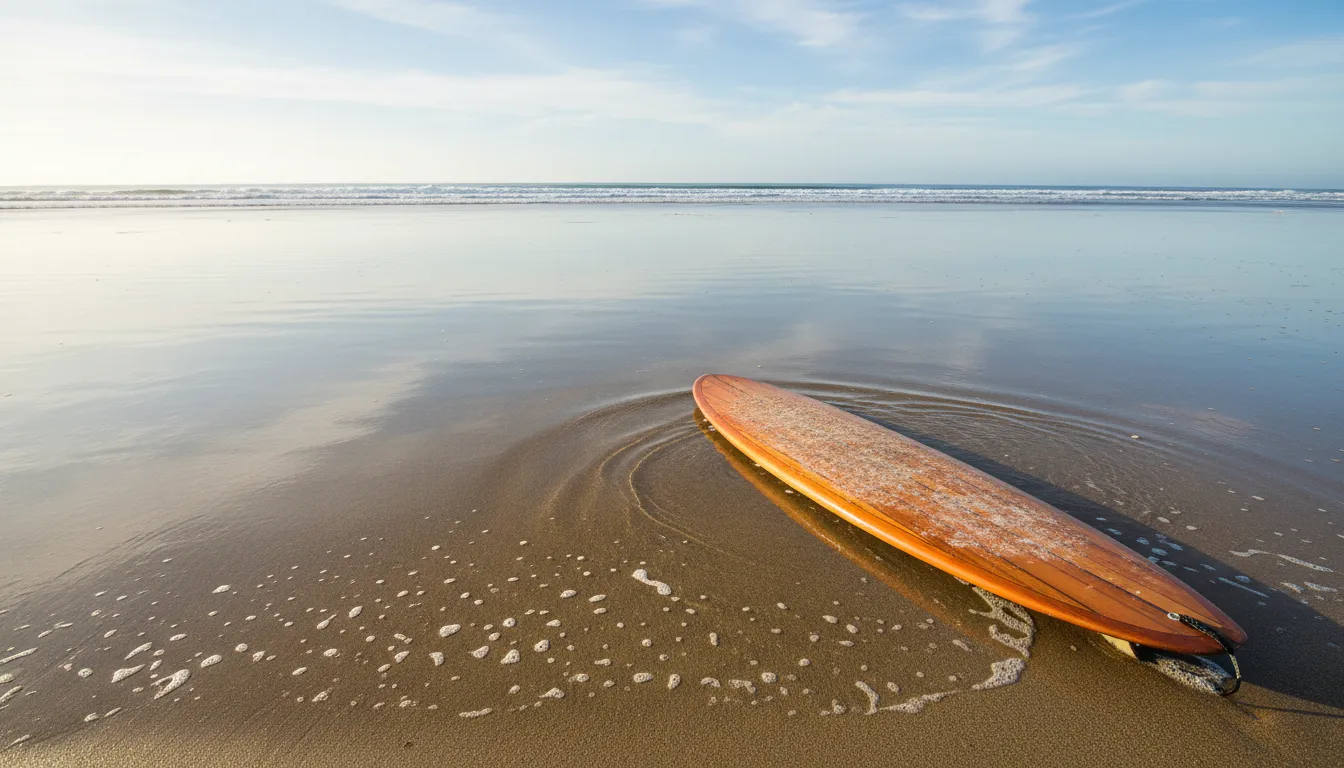
Jaco’s beachfront isn’t just pretty to look at—it’s a playground where the Pacific delivers consistent swells year-round, and the warm water never requires a wetsuit. Whether you’re paddling out for your first wave or your thousandth, this stretch of coast serves up water activities that range from adrenaline-pumping to blissfully mellow. The beach break here forgives beginner mistakes while still offering enough punch to keep experienced surfers engaged. Beyond surfing, the calm mornings bring glassy conditions perfect for stand-up paddleboarding, while the surrounding waters hide dive sites and fishing spots that most visitors never discover. Here’s your insider guide to making the most of Jaco’s aquatic offerings, from choosing the right surf school to timing your sessions with the tides.
Best Surfing Spots Along Jaco Beach
The main beach break runs the entire length of Jaco’s coastline, but specific sections develop distinct personalities depending on swell direction and tide. The center stretch near the pier offers the most consistent waves, with multiple peaks that spread the crowd and reduce competition for sets. This area works on almost any swell size, though it really comes alive when shoulder-high waves start rolling through. North end breaks tend to be mellower and more forgiving—ideal territory for first-timers who need room to make mistakes without getting hammered. The southern stretch near the rocks delivers slightly more power and longer rides when conditions align, attracting intermediate surfers looking to progress their skills.
For those willing to venture beyond the main beach, Playa Hermosa sits just ten minutes south and pumps out some of Central America’s heaviest beach break. This spot earns its respect—powerful barrels and strong currents make it strictly intermediate-to-advanced territory. On the flip side, Playa Herradura to the north offers protected waters when Jaco gets too rough, though the waves there rarely satisfy anyone seeking serious surf. The beauty of basing yourself in Jaco lies in having this variety within a short drive, allowing you to match your session to both your skill level and the day’s conditions.
Surf Lessons for Beginners: What to Expect
Jaco’s surf schools have refined the beginner experience into a science, starting students on foam-top boards that forgive every mistake and providing instruction that actually works. Most programs run two-hour sessions beginning with 20 minutes of beach instruction covering pop-up technique, ocean awareness, and basic positioning. The remaining time gets spent in waist-deep water where instructors physically guide students onto waves, celebrating every wobbly ride to shore. Quality schools maintain student-to-instructor ratios of 4:1 or better, ensuring you get personalized feedback rather than generic shouting from the beach.
Expect to stand up and ride at least a few waves to shore during your first session—the combination of gentle beach break, warm water, and experienced instruction makes Jaco particularly beginner-friendly. Schools provide all equipment including rash guards, and the better operators schedule lessons during optimal tide windows when waves run waist-to-chest high with clean faces. Most first-timers discover that surfing demands more cardiovascular fitness than anticipated, so pace yourself and hydrate between sets. The learning curve from zero to catching unassisted waves typically spans 3-5 sessions, though natural athletes sometimes progress faster.
Understanding Jaco’s Beach Break Conditions
Beach breaks like Jaco’s form when waves hit sandy bottom rather than reef, creating shifting peaks that move with sandbar formations. This setup proves more forgiving than reef breaks since falling means landing on sand instead of coral or rock, though the constant sandbar changes require reading the water each session. Watch for darker water indicating deeper channels where rips flow—these spots offer the easiest paddle out but terrible wave quality. The lighter, foamy sections mark where waves break most consistently.
Jaco’s beach break responds dramatically to swell direction. South swells (March through August) tend to arrive cleaner and more organized, while north swells (November through February) can bring choppier conditions mixed with longer-period sets. The beach faces southwest, meaning it picks up swells from almost any direction, contributing to Jaco’s reputation for consistent surf. Wind plays the critical role here—mornings before 10am typically bring offshore or glassy conditions, while afternoons often turn onshore and choppy. Serious surfers set alarms for dawn patrol, and for good reason.
Best Tides for Surfing Jaco Beach
Mid-to-high tide produces Jaco’s best wave quality, with enough water over the sandbars to create clean faces without the close-outs that plague low tide. Most locals target the two hours before high tide when waves build gradually and banks start really working. Dead high tide sometimes goes too fat and soft, particularly on smaller swells, causing waves to roll through without much shape. Low tide exposes more sandbar, creating faster, hollower waves that appeal to experienced surfers but punish beginners with shallow landings.
The tide swing here reaches six feet during full and new moons, dramatically transforming the beach break’s character throughout each session. Check local tide times and surf forecasts before paddling out, and understand that a spot firing at mid-tide might completely shut down two hours later. Many surf schools deliberately schedule beginner lessons during the rising tide window when conditions steadily improve rather than deteriorate. If you’re staying at Jaco Beach Zen, the beach sits close enough to quickly check conditions and time your sessions perfectly—no commute means no missing the magic hour.
Surfboard Rentals and What to Choose
Rental shops line Jaco’s main beach road, offering everything from beat-up foam tops ($10-15/day) to high-performance shortboards ($25-30/day). Beginners should stick with longboards (9+ feet) or foam tops that provide maximum stability and wave-catching ability. The extra length makes paddling easier and standing up more forgiving, dramatically increasing your wave count. Intermediate surfers often rent funboards (7-8 feet) that split the difference between beginner-friendly volume and the maneuverability needed to start carving turns.
Inspect rental boards for dings that might let water seep in, and ensure fins are secure before leaving the shop. Most rentals include leash and wax, though verify this beforehand. Multi-day rentals (3+ days) typically unlock better rates, and some shops offer weekly packages that make financial sense if you’re committed to daily sessions. The best rental operations also provide honest advice about current conditions and appropriate board selection—shops that push expensive shortboards on obvious beginners reveal their priorities clearly.
Paddleboarding and Calmer Water Activities
Stand-up paddleboarding thrives during Jaco’s early morning glass-off when ocean conditions smooth out before wind arrives. The relatively protected bay creates manageable conditions for paddlers of all levels, though mornings after big swells still require ocean awareness and decent balance. Rental operations provide stable touring boards perfect for cruising parallel to shore, exploring toward the marina, or simply floating while watching surfers struggle in the lineup. Most first-timers master basic paddling within 15 minutes, making SUP more immediately accessible than surfing.
Kayaking offers another mellow option, with several operators running tours to nearby coves and beaches inaccessible by foot. These trips often include snorkeling stops where tropical fish congregate around rocky outcrops, though Jaco’s surf zone doesn’t offer the visibility found at dedicated Caribbean snorkel spots. For families or mixed-ability groups, paddleboard and kayak rentals provide ocean access without the commitment and learning curve that surfing demands. The calm early morning hours also prove ideal for first-time ocean swimmers building confidence before waves build.
Checking Swell Forecasts Like a Local
Surf forecasting has evolved beyond simple wave height predictions, with modern tools showing swell period, direction, wind, and tide in integrated displays. Longer-period swells (12+ seconds between waves) carry more energy and produce better-shaped waves than short-period wind chop. Jaco needs at least 3-4 foot swell readings at offshore buoys to generate consistent chest-high waves at the beach, though the beach break amplifies incoming energy efficiently.
Local surfers check Surfline, Magicseaweed, or Windy before every session, comparing forecast models against webcam reality. The webcams prove particularly valuable since Jaco’s conditions vary dramatically even within a single day—that perfect morning session might turn into churned-up chaos by noon. South swells produce the cleanest conditions here, while west swells offer the most power. Learn to read these forecasts during your stay and you’ll score better sessions while avoiding the frustrating paddle-outs when conditions deteriorate. Your proximity to the beach when staying at properties like Jaco Beach Zen means you can physically verify forecasts rather than committing to a long drive based on questionable predictions.
Top Surf Schools Near Jaco Beach
Established surf schools in Jaco operate with certified instructors, proper insurance, and teaching methods refined over thousands of beginner lessons. Tortuga Surf School has earned consistent positive reviews for patient instruction and realistic skill assessment, while Costa Rica Surf & SUP offers packages combining surf lessons with paddleboard sessions. Schools based directly on Jaco Beach provide convenience, while operations running trips to nearby breaks might offer better conditions depending on the day’s swell.
Quality instruction costs $50-75 for a two-hour group lesson, with private sessions running $80-120. The price difference proves worthwhile if you want personalized attention or need scheduling flexibility. Avoid unlicensed beach operators offering suspiciously cheap lessons—they lack proper insurance and often provide minimal actual instruction beyond handing you a board. Reputable schools communicate clearly about what beginners can realistically achieve, maintain equipment properly, and prioritize safety over just getting you in the water. Book at least one day ahead during high season (December-April) when popular instructors fill their schedules.
Safety Considerations and Ocean Awareness
Jaco’s beach break appears deceptively friendly, but the ocean here demands respect and awareness. Rip currents form regularly, particularly near the rock formations at either end of the beach. If caught in a rip, paddle parallel to shore rather than fighting directly against the current—this conserves energy and usually brings you to adjacent water flowing back to beach. Most rips here run relatively weak compared to Playa Hermosa’s notorious pulls, but they still exhaust inexperienced swimmers.
Never turn your back on the ocean, particularly in the shore break where unexpected sets can knock you down and tumble you hard enough to cause injury. The sandy bottom generally prevents serious trauma, though surfers still manage occasional sprains and impact injuries when boards connect with heads or limbs. Leash your board properly—runaway surfboards become dangerous projectiles in crowded lineups. Stay aware of other surfers’ positions, yield right-of-way to riders already on waves, and communicate clearly when paddling into the lineup. The friendly vibe here extends to helping struggling swimmers or surfers in trouble, so don’t hesitate asking for or offering assistance.
Frequently Asked Questions
What’s the best time of year for surfing in Jaco?
Jaco delivers consistent surf year-round, though May through November brings the biggest and most frequent swells from southern hemisphere storms. This “green season” offers powerful waves with fewer crowds and lower prices, despite afternoon rain showers. December through April provides smaller, cleaner surf with sunny weather but significantly more tourists competing for waves. First-timers might prefer the gentler conditions of dry season, while experienced surfers often target the raw power of rainy season swells.
Do I need a wetsuit for surfing Jaco Beach?
No wetsuit needed—water temperatures hover around 80-84°F year-round, making board shorts or bikinis perfectly comfortable for extended sessions. Most surfers wear rash guards for sun protection rather than warmth, as the tropical sun reflects intensely off the water. This warm-water reality makes Jaco particularly appealing for beginners who struggle enough with basic surfing without adding wetsuit complications. The lack of wetsuit requirements also simplifies packing and eliminates rental costs.
How much should I budget for water sports in Jaco?
Surfboard rentals run $10-30 daily depending on board quality, while surf lessons cost $50-75 for group sessions and $80-120 for private instruction. Multi-day packages offer better rates—expect to pay around $200-250 for a week of daily board rentals and 2-3 lessons. Paddleboard rentals typically cost $15-25 for two hours, and kayak tours run $40-60 including equipment and guide. Budget approximately $300-400 for a week of active water sports participation including lessons, rentals, and a couple guided experiences.
Are there good breaks for experienced surfers near Jaco?
Playa Hermosa, ten minutes south, delivers world-class barrels and powerful beach break that regularly hosts international competitions. This spot demands solid skills, strong paddling, and respect for heavy conditions—it’s not a place to test your limits casually. North toward Esterillos you’ll find less-crowded peaks, though consistency drops compared to Jaco. Experienced surfers often use Jaco as a base for exploring the surrounding coast, surfing mellow Jaco mornings and chasing bigger swells at nearby breaks when conditions align properly.
What other water activities besides surfing are available?
Stand-up paddleboarding thrives during calm mornings, offering a full-body workout with less learning curve than surfing. Sport fishing charters target marlin, sailfish, and tuna in offshore waters, with half-day trips starting around $500 for the boat. Several operators offer kayak tours exploring coastline and mangrove estuaries. Diving and snorkeling work better at dedicated sites outside Jaco, though some operators run trips to clearer waters. The variety ensures non-surfers in your group can still enjoy active ocean time rather than just watching from the beach.
Bahía Azul, unit 7C sits right on this stretch of sand — on the quiet south end of Jacó, a few hundred feet from the water.
Book on Airbnb