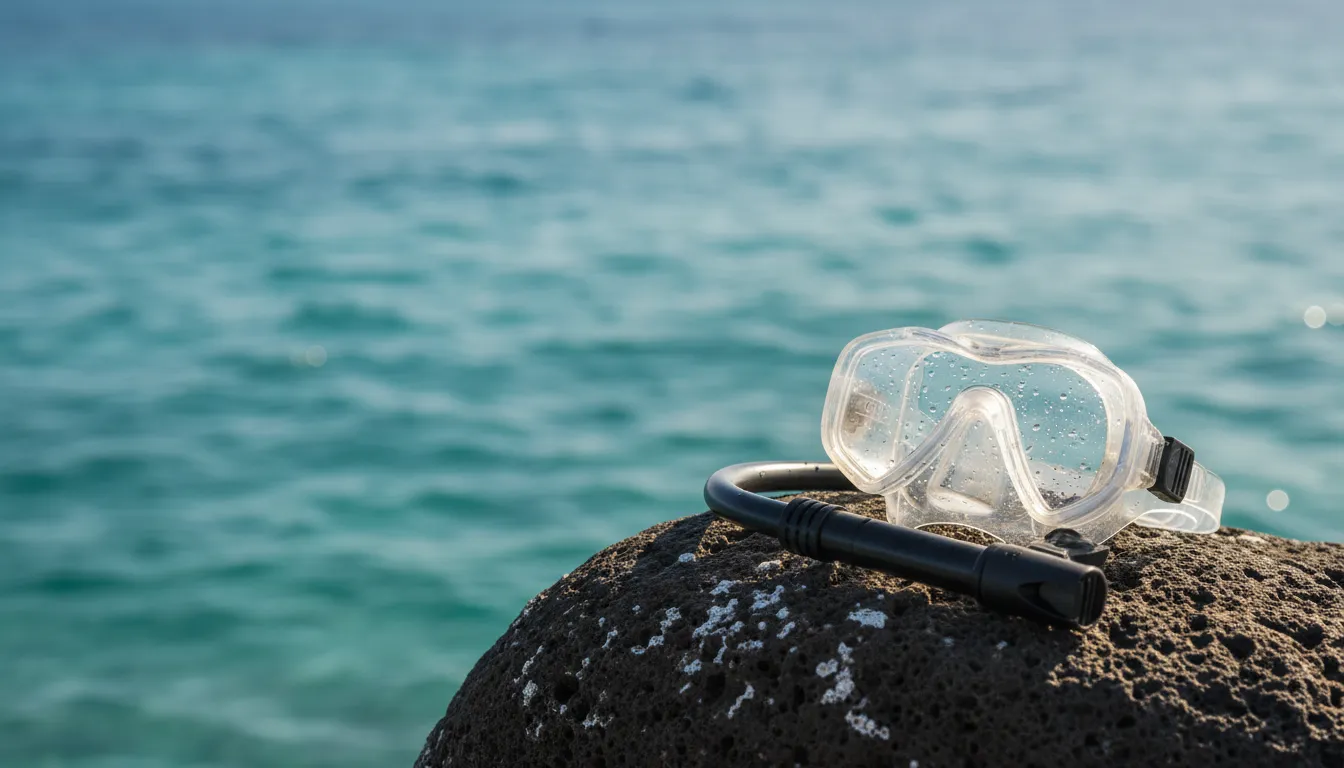
So You Want to Breathe Underwater? Your Insider’s Guide to Diving Certification in Jaco
Let’s be honest—when people think of Jaco, they picture surfers carving waves and beach bars serving ice-cold Imperials. But here’s a secret the surfing crowd doesn’t always broadcast: our underwater world rivals anything happening above the surface. Just offshore, volcanic rock formations create reef systems teeming with spotted eagle rays, hawksbill turtles, and schools of jacks that move like synchronized swimmers. Getting your dive certification here means trading poolside theory sessions in some landlocked facility for actually learning in warm Pacific waters where your practice dives might include unexpected appearances from pufferfish with serious attitude. Whether you’re a family looking to share something genuinely memorable, a digital nomad ready to add “certified diver” to your LinkedIn skills, or an adventure seeker who’s conquered the terrestrial world and needs a new frontier, Jaco’s dive certification courses offer something most destinations can’t: the ability to learn in water that’s actually enjoyable to be in, with dive shops that know these reefs like their own backyard.
First Splash: Why Get Your Dive Certification in Jaco?
Sure, you could get certified in a cold-water quarry back home, shivering through skills while your instructor yells muffled instructions through a regulator. Or you could do it here, where water temperatures hover around a pleasant 78-82°F year-round, meaning you’ll actually focus on learning instead of managing hypothermia. Jaco’s underwater landscape doesn’t get the same press as our surf breaks, which is precisely why it’s special—volcanic reefs create dramatic topography that attracts marine life in abundance. During checkout dives, it’s not unusual to spot white-tip reef sharks resting in the sand, massive schools of grunts creating living walls, and octopuses doing their best camouflage impressions against the rocks.
The dive sites around Jaco, Herradura, and nearby Punta Leona offer ideal training conditions. We’re talking moderate currents (manageable for beginners but enough to feel real), visibility that ranges from decent to spectacular depending on the season, and depths that accommodate everything from initial confined water training to advanced certification dives. The professional dive operations here—PADI and SSI certified—have been training divers for years, which means they’ve refined their teaching approach specifically for these conditions. They know which sites work best for nervous first-timers versus confident swimmers ready to tackle more challenging environments.
What really sets Jaco apart for dive training is the complete package. You’re not stuck at some remote dive resort with nothing to do between training sessions. Here, you can complete your morning pool session, grab lunch at a beachfront soda, maybe catch some afternoon waves if you’re feeling ambitious, then return to somewhere comfortable like Jaco Beach Zen to decompress (pun absolutely intended) before your next day of training. That proximity to both adventure and relaxation makes the multi-day certification process feel less like boot camp and more like a proper vacation where you happen to be learning a life-changing skill.
From ‘What’s a Regulator?’ to ‘Open Water Diver’: Your Beginner’s Journey
The PADI and SSI Open Water Diver courses follow similar structures, and both certifications are recognized worldwide—so picking between them often comes down to which local shop you vibe with rather than any significant difference in the training itself. Your journey typically starts with online theory work you can complete before even arriving in Jaco. This e-learning component covers the physics of diving (why you can’t hold your breath while ascending—spoiler: your lungs might explode), equipment familiarity, and basic safety protocols. Completing this beforehand means more time in the water and less time in a classroom when you’re actually here.
Once you’re in Jaco, expect 3-4 days of active training. Day one usually involves confined water sessions—either in a pool or a calm, shallow area of the ocean—where you’ll master essential skills like clearing your mask underwater, recovering your regulator, and achieving neutral buoyancy (the diving equivalent of achieving zen). Your instructor will run you through each skill multiple times until it becomes second nature. This repetition isn’t busywork; when you’re 40 feet down and your buddy accidentally kicks your regulator out, you’ll be grateful your hand automatically knows where to find it.
Days two through four involve your open water checkout dives, typically conducted at sites around Herradura Bay or the Punta Leona Marine Reserve. These aren’t just skills tests—they’re actual dives where you’ll explore real reef systems, practice navigation, and start building the underwater awareness that separates confident divers from flailing tourists. Many local dive shops offer flexible scheduling, which works perfectly if you’re a digital nomad who needs to squeeze in a few hours of work between morning and afternoon dive sessions. Some operators even provide pick-up services from local accommodations, which beats wrestling with dive gear on a rented scooter, trust me.
The investment varies, but expect to pay somewhere in the $400-500 range for a full Open Water certification, which includes all equipment rental, instruction, and those crucial open water dives. Some shops offer Discover Scuba Diving options if you want to test the waters (literally) before committing to full certification, though if you’re even remotely interested, just go for the full course—you won’t regret it.
Beyond the Basics: Advanced Certifications & Specialty Dives
Here’s where diving gets genuinely addictive. Once you’ve got that Open Water certification card in your wallet, the ocean doesn’t just become accessible—it becomes a choose-your-own-adventure book with chapters you didn’t know existed. The Advanced Open Water Diver course, available through local Jaco dive shops, typically requires five adventure dives that introduce you to specialties like deep diving (up to 100 feet), navigation, night diving, and drift diving. Each dive builds specific skills while actually being fun, not just educational—you’re learning underwater navigation while following a reef wall teeming with life, or practicing deep diving while exploring a rocky outcrop where larger pelagics hang out.
For digital nomads planning an extended Jaco stay, these advanced certifications transform your free time. Imagine telling colleagues you spent your lunch break on a drift dive watching a school of mobula rays cruise past, then returning to your laptop like it was no big deal. The Advanced course typically takes 2-3 days and costs around $300-400, depending on the shop and included dives. The investment opens up dive sites worldwide that require advanced certification—suddenly that liveaboard trip in Indonesia or wreck diving in Chuuk Lagoon becomes possible.
Specialty courses offered locally include underwater photography (perfect for creating content that’ll make your Instagram followers weep with envy), wreck diving, and nitrox certification (allowing longer bottom times by diving with enriched air). The underwater photography course deserves special mention—Jaco’s marine life provides spectacular subjects, from tiny nudibranchs to massive schools of snappers, and learning to capture these moments adds another dimension to your diving. Plus, showing colleagues your “underwater office” photos during Zoom calls never gets old.
For those with serious adventure ambitions, rescue diver courses are available, teaching you to handle dive emergencies and assist other divers in distress. It’s intense training, but it transforms you from someone who can dive to someone who can actually help others dive safely. It’s intense training, but it transforms you from someone who can dive to someone who can actually help others dive safely. The confidence boost alone makes it worthwhile, and many divers report that rescue training actually makes them better, calmer divers overall because you’ve practiced managing stress underwater.
Picking Your Dive Crew: Jaco’s Best Dive Shops
Choosing a dive shop for your certification isn’t like picking a restaurant—you’re literally trusting these people with your ability to breathe underwater, so due diligence matters. While I won’t point you toward specific operations (you’re capable of reading reviews and making your own decisions), I can tell you what to look for based on years of watching both excellent and mediocre dive operations work these waters.
First, equipment condition speaks volumes. Walk into the shop and actually look at the gear. Rental BCDs (buoyancy control devices) should be clean, well-maintained, and available in multiple sizes—not one-size-fits-nobody hand-me-downs held together with zip ties and hope. Regulators should be serviced regularly, and the shop should have records proving it. Tanks should have current visual inspection and hydrostatic test dates stamped on them. If the shop’s gear looks like it survived a shipwreck, imagine how their safety protocols might be.
Class size matters enormously, especially for families with kids taking their junior open water certification. The best shops maintain small student-to-instructor ratios—ideally no more than four students per instructor for open water courses. Larger groups mean less individual attention when you’re struggling with a skill, and in diving, that individual attention can make the difference between mastering buoyancy control and spending every dive crash-landing on coral reefs like a malfunctioning submarine.
Local knowledge separates good instructors from great ones. Anyone can teach you to clear a mask, but instructors who genuinely know Jaco’s dive sites—which locations work best in which conditions, where to spot specific marine life, how to read the local currents—make your training infinitely more valuable. Ask potential shops about their instructors’ experience specifically in Jaco waters, not just their certification levels. A dive master with ten years in these conditions beats a newly minted instructor with prestigious credentials but no local knowledge.
Safety culture should be obvious but non-negotiable. The shop should emphasize conservative dive profiles, proper surface intervals between dives, and thorough pre-dive safety checks. Any operation that seems cavalier about safety protocols or pressures you to push your comfort zone isn’t worth your money or risk. The good news is Jaco’s established dive operations generally maintain high safety standards—they’ve been doing this long enough to know that reputation matters.
For families, ask specifically about experience with junior divers and multi-generational groups. Some shops excel at making kids comfortable underwater, while others focus more on adult sport diving. Group rates and family packages exist if you ask—shops would rather fill a boat with your whole crew than piece together individual bookings.
After full days of training, you’ll appreciate returning to Jaco Beach Zen’s spacious common areas where you can lay out gear to dry properly, review dive tables and planning worksheets, and decompress (again, pun intended) in actual comfort rather than some cramped hotel room where your wetsuit drips onto the carpet.
What About the Marine Life? (The Fun Part)
Let’s talk about why you’re really getting certified—the underwater residents you’ll meet. Jaco’s dive sites don’t offer Caribbean-style coral gardens, but what we lack in hard corals, we make up for in pelagic action and volcanic reef diversity. White-tip reef sharks are regular sightings, usually found resting in sandy patches or under ledges during the day. They’re completely harmless to divers, but seeing your first shark underwater still triggers that primal “holy crap, that’s a shark” response that never quite goes away.
Sea turtles—primarily hawksbills and occasional olive ridleys—cruise the reefs feeding on sponges and resting in cleaning stations where smaller fish pick parasites from their shells. During training dives, it’s entirely possible to hover at safety-stop depth watching a turtle glide past at eye level, completely unbothered by your presence. Rays are another highlight—spotted eagle rays occasionally fly through the blue, and you’ll definitely encounter Pacific chocoholic rays (yes, that’s their actual name) camouflaged on sandy bottoms.
The fish life rivals any tropical destination. Massive schools of jacks, grunts, and snappers create walls of silver that part as you swim through them, reforming immediately behind you. Pufferfish with perpetually surprised expressions, trumpet fish attempting to hide behind you during hunts, and moray eels peeking from crevices with mouths agape (they’re breathing, not threatening—probably) populate every dive. Octopuses demonstrate remarkable intelligence and camouflage abilities, often detectable only when they move and their color morphing lags behind their motion.
Seasonal visitors include manta rays (usually sighted between December and April), whale sharks passing through on migration routes, and humpback whales whose songs you might hear underwater during breeding season even if you don’t see them. While these megafauna sightings aren’t guaranteed, the possibility adds excitement to every descent.
The volcanic rock formations create dramatic underwater landscapes—swim-throughs, overhangs, and walls that drop into the blue. These geological features concentrate marine life and provide the three-dimensional environment that makes diving endlessly more interesting than snorkeling adventures, as amazing as those surface experiences are.
Frequently Asked Questions
How long does it take to get a diving certification in Jaco?
The standard PADI or SSI Open Water Diver certification typically requires 3-4 days of active training in Jaco, assuming you’ve completed the online theory portion beforehand. This includes confined water sessions for skills practice and four open water checkout dives. Some shops offer accelerated 3-day courses if you’re pressed for time, while others prefer a more relaxed 4-5 day schedule. Digital nomads often appreciate flexible scheduling that allows them to balance work obligations with training sessions spread across a week. The Advanced Open Water certification adds another 2-3 days. If you’re starting completely cold with zero e-learning completed, add an extra day or two for classroom theory sessions.
Is Jaco a good place for beginner divers, especially for families?
Absolutely, and here’s why: the warm water temperatures mean kids (and adults) aren’t distracted by cold discomfort while learning essential skills. Dive sites around Jaco offer protected areas with minimal current perfect for initial training, plus the marine life is engaging enough to keep young divers excited about the experience. Local dive shops have extensive experience with junior open water courses (for ages 10-14) and are skilled at making the training fun rather than intimidating. The proximity of accommodations to dive operations means families aren’t dealing with long boat rides that might trigger seasickness before you even get underwater. After training, Jaco offers plenty of family-friendly activities, so non-diving family members aren’t bored while others certify.
What’s the difference between PADI and SSI certification in Jaco?
Practically speaking, very little. Both PADI (Professional Association of Diving Instructors) and SSI (Scuba Schools International) are internationally recognized certification agencies with comparable standards and training requirements. Both Open Water courses cover the same essential skills, safety protocols, and diving theory. The main differences are organizational—PADI certifications are tied to the individual diver, while SSI certifications are linked to both diver and the shop that certified you (though this rarely matters in practice). Jaco dive shops offer both, and your choice often comes down to which specific shop you prefer working with rather than the certification agency itself. Either card will be accepted by dive operations worldwide, from Bali to Bonaire.
Are there any age restrictions for getting certified in Jaco?
The minimum age for junior open water certification is 10 years old, though some shops recommend waiting until 12 if the child is particularly small or not a confident swimmer. Junior certifications have depth restrictions (maximum 40 feet for 10-11 year olds, 60 feet for 12-14 year olds) and require diving with a certified adult. At 15, divers can pursue full open water certification with no restrictions. There’s no maximum age—I’ve personally witnessed people in their 70s earning certifications in Jaco waters. Physical fitness matters more than age; you need basic swimming ability and reasonable cardiovascular health. Most shops require a medical questionnaire, and certain conditions might require physician clearance before training, but age alone won’t disqualify you from learning to dive.
Do I need to be a strong swimmer to get a dive certification?
You need basic swimming competency, but you don’t need to be Michael Phelps. PADI requires you to swim 200 meters (or 300 meters with mask, fins, and snorkel) and tread water for 10 minutes before certification. That’s achievable for most people with average fitness who aren’t afraid of water. The swimming requirement ensures you can handle yourself if equipment fails at the surface, but during actual diving, your buoyancy control device and fins do most of the work—diving is more about breathing control and spatial awareness than powerful swimming. If you’re nervous about the swim test, practice beforehand or mention your concerns to the dive shop; many instructors will work with you on water comfort before official testing. Being comfortable in water matters more than speed or style.
What marine life can I expect to see on a dive around Jaco?
Expect white-tip reef sharks (harmless bottom-dwellers), sea turtles (primarily hawksbills), multiple ray species including spotted eagles and Pacific chocoholic rays, massive schools of jacks and snappers, pufferfish, trumpet fish, moray eels, octopuses, and countless tropical fish species in every color imaginable. Seasonal visitors include manta rays (December-April), whale sharks on migration routes, and humpback whales whose songs echo underwater during breeding season. The volcanic reefs attract pelagic species, so larger fish sightings are common. Unlike Caribbean diving, we don’t have extensive hard coral gardens, but our rocky reef structure creates dramatic topography and concentrates marine life. Every dive offers something different—the biodiversity rivals better-known Pacific destinations while remaining refreshingly uncrowded because Jaco’s diving scene stays under the radar compared to our surfing reputation.
Your Underwater Future Starts Here
Getting dive certified in Jaco isn’t just about earning a card that lets you rent equipment in tropical destinations—though that’s definitely a perk. It’s about fundamentally expanding the percentage of planet Earth you can explore, from roughly 30% to nearly 70%. Those underwater volcanic formations and the creatures that inhabit them have existed here long before Jaco became a surf town, and they’ll continue thriving long after we’re gone, indifferent to our temporary presence.
The beauty of learning to dive here specifically is that you’re not stuck at some isolated dive resort with nothing else to offer. You’re in a legitimate beach town with excellent food, reliable WiFi for the digital nomads, activities for non-diving family members, and accommodations like Jaco Beach Zen that provide the comfort and space you need to properly rest between demanding training days. Close enough to wander downtown for dinner after your dives, far enough to actually hear the ocean rather than just beach bar speakers.
Whether you complete your Open Water certification and stop there, satisfied with the occasional vacation dive, or catch the bug and progress through Advanced, Rescue, and specialty certifications until diving becomes your primary reason for choosing destinations, starting in Jaco gives you warm water, professional instruction, and memorable first dives that set the bar high. The underwater world doesn’t care about your Instagram follower count, your work deadlines, or your carefully curated surface life. Down there, buoyancy and breath control matter more than anything else. It’s remarkably centering.
So if you’ve been considering getting certified, stop considering and start booking. The reefs aren’t going anywhere, but your vacation days are finite. Make them count.
Bahía Azul, unit 7C sits right on this stretch of sand — on the quiet south end of Jacó, a few hundred feet from the water.
Book on Airbnb