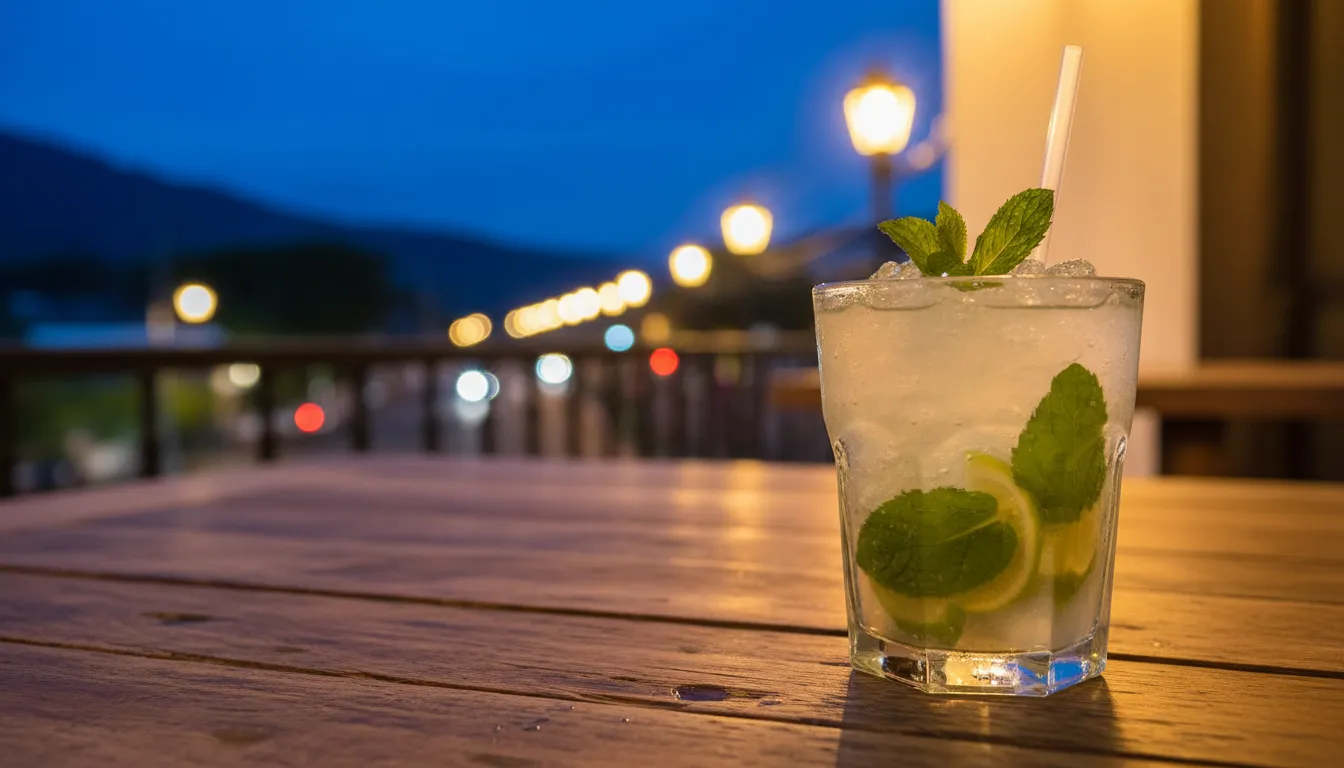
Jaco’s reputation as a sleepy surf town? That’s strictly a daylight hours thing. Once the sun dips behind the Pacific and the last beachgoers shake off their sand, this compact coastal strip transforms into one of Central America’s most eclectic after-dark scenes. Unlike the megaclub tourist traps you’ll find in other beach destinations, Jaco’s nightlife feels authentically scattered—a mix of local hangouts, expat-owned dive bars, beachfront lounges, and yes, a few proper dance floors where things don’t really heat up until midnight.
The beauty of Jaco’s evening entertainment isn’t its size (you can walk the main strip in 20 minutes), but its density. Within a few blocks, you’ve got craft cocktails, live reggae, sports bars showing NFL games at 8am tomorrow, and clubs pumping reggaeton until the streetlights seem unnecessary. Whether you’re a solo traveler looking to make friends over cheap Imperial beers or a group planning a proper night out, this guide cuts through the noise to show you what actually matters after dark in Jaco.
The Lay of the Land: Understanding Jaco’s Nightlife Geography
Jaco’s nightlife clusters along Avenida Pastor Díaz, the main drag running parallel to the beach. Most venues sit within a six-block stretch between the northern Los Sueños Marina turnoff and the southern end near the Roca Loca outcropping. This walkability is both blessing and curse—you can bar-hop easily, but everyone else is doing the same thing, so Friday and Saturday nights turn the sidewalks into a slow-moving river of humanity.
The northern section (near Jaco Beach activities) tends toward family-friendly restaurants that transition to chill lounge vibes after 9pm. Mid-town is where the action concentrates: sports bars, dance clubs, and the occasional live music venue. The southern stretch gets quieter, with a few local sodas and the kind of places where regulars give newcomers the slow once-over.
One geographic quirk worth noting: the actual beachfront has surprisingly few nightlife spots. Most venues face the street, not the ocean, though a handful of beach clubs offer sunset sessions that blur into evening. If you’re staying at a beachfront property, you’ll still need to walk inland a block or two to find the real action.
Best Bars in Jaco: From Craft Cocktails to Dive Bar Charm
Le Loft sits above street level (hence the name) and pours what passes for craft cocktails in a town that mostly runs on rum-and-Coke. Their mojitos use actual fresh mint, not the wilted garnish you’ll find elsewhere. The upstairs location gives you people-watching angles without being stuck in the sidewalk crush, and the bartenders actually know the difference between shaken and stirred.
For dive bar authenticity, Clarita’s remains undefeated. This local institution has been serving cold beer to surf bums since before Jaco discovered tourism. The decor hasn’t changed in decades (possibly ever), the pool table lists slightly to starboard, and the clientele splits evenly between weathered expats and Ticos who’ve been coming here since the ’90s. Happy hour runs 4-7pm with Imperial at practically wholesale prices.
The Orange Pub delivers exactly what its name promises: a proper pub experience with better-than-expected bar food. Their wings are criminally underrated, and they show every major sporting event from NFL to Premier League. The crowd here trends older and more conversational—this is where you go when you want to actually hear the person next to you talk, not just nod along to whatever’s blasting from the speakers.
Side Street Bistro transforms from dinner spot to cocktail lounge around 9pm, with a craft beer selection that rivals anything in San José. Their outdoor patio catches the evening breeze, and the Jaco dining options conversation naturally segues into drinks as the night progresses.
Nightclubs and Dancing: Where Jaco Actually Moves
Le Bohio functions as Jaco’s closest approximation to a proper nightclub, with two floors, multiple bars, and a sound system that takes itself seriously. The music splits between reggaeton, bachata, and whatever Top 40 remix the DJ feels like dropping. Thursdays and Saturdays bring the biggest crowds, with peak hours running from midnight to 3am. The cover charge varies wildly depending on who’s working the door and whether they like your face.
Croc’s Casino & Sports Bar combines gambling, dancing, and sports viewing in one aggressively air-conditioned space. The casino floor stays open 24/7, but the adjacent dance area only gets serious after 11pm on weekends. The crowd here skews heavily tourist, which means you’ll hear more English than Spanish and pay accordingly inflated drink prices.
For beach party vibes, Villa Caletas occasionally hosts full-moon parties and special events on their amphitheater grounds. These aren’t regular occurrences, but when they happen, they draw crowds from across the Central Pacific. Check their social media for announcements—these events sell out and absolutely require advance tickets.
Jaco Blu used to dominate the dance floor scene but has shifted toward a lounge-club hybrid. They still pack out on holiday weekends, but the vibe now leans more “dress code enforced” than “barefoot-from-the-beach acceptable.” Their rooftop section offers surprising views if you can navigate past the velvet rope politics at the stairs.
Live Music Venues: Actual Musicians, Not Just Playlists
The reggae scene in Jaco punches well above its weight for a town this size. Tabacón hosts live reggae and ska bands most Thursday nights, drawing both local musicians and traveling acts working their way down the coast. The sound quality won’t win awards, but the energy absolutely compensates. Cover charges stay reasonable (usually $5-10), and the crowd genuinely came to listen, not just use the music as background noise.
Casey’s Beach Bar brings in acoustic acts and small bands during high season, particularly December through April. Their beachside stage setup means you’re listening to music with sand between your toes and the Pacific providing percussion. The performers tend toward Jimmy Buffett covers and Latin rock, which somehow works perfectly with the setting.
For more polished performances, keep an eye on Villa Caletas’ event calendar. Their outdoor amphitheater overlooking the ocean hosts occasional jazz nights and classical performances that attract a dressy crowd willing to pay premium ticket prices. These aren’t regular weekly gigs, but when they happen, they offer something distinctly different from the rest of Jaco’s nightlife.
Local sodas and smaller bars sometimes feature impromptu acoustic sets—a guy with a guitar who just showed up and started playing. These unannounced moments capture something special about Jaco’s music scene: the sense that anyone might start performing at any time, and the bar will just roll with it.
Happy Hour Strategy: Timing Your Drinks Budget
Jaco’s happy hour specials cluster in the 4-7pm window, with some venues stretching to 8pm. The discounts matter because regular drink prices in tourist zones can shock you—$7 for a domestic beer isn’t uncommon at peak hours in high-traffic spots.
The best happy hour value proposition comes from places offering two-for-one cocktails rather than beer discounts. Side Street Bistro and Le Loft both run solid two-for-one deals on well drinks and house cocktails. The math works: pre-game from 5-7pm, then migrate to whatever venue matches your evening plans.
Beach clubs like Jaco Beach Club and others along the sand offer sunset happy hours that justify the higher base prices with unobstructed ocean views. You’re paying partly for location, but watching the sunset from a beachfront table with a discounted mojito delivers enough ambiance to warrant the splurge occasionally.
Skip happy hour at the big nightclubs—they barely discount their already inflated prices, and the crowd at 6pm bears no resemblance to the crowd at midnight anyway. Better to eat properly during happy hour at a restaurant, then hit the clubs later when they’ve actually warmed up.
Nightlife Safety: Real Talk for After Dark
Jaco’s nightlife scene is generally safe, but “generally” requires some common sense application. The main strip stays well-lit and heavily foot-trafficked until 2-3am on weekends, but the blocks running perpendicular to Avenida Pastor Díaz get dark and empty quickly. Stick to the main drag for walking between venues.
Watching your drink isn’t paranoia—it’s standard practice everywhere, and Jaco is no exception. The bar scene here is largely trustworthy, but any destination that attracts tourists also attracts opportunists. Keep your drink in hand, order fresh if you’ve lost track of it, and travel in pairs when possible.
Taxi rates spike after midnight, and unlicensed “taxis” proliferate at bar closing time. Use official red taxis or Uber (which works in Jaco despite being technically illegal in Costa Rica). The price difference between legitimate and sketchy rides might be $3, which isn’t worth the risk. If you’re staying at a property like Jaco Beach Zen, you’re walkable to most nightlife anyway—close enough to wander downtown, far enough to hear the waves when you get home.
ATMs after dark invite trouble. Pull cash during daylight hours, ideally from bank-attached ATMs with guards. Bring only what you plan to spend, leave your passport in your rental’s safe, and use your phone’s camera to store a photo of your passport info page if needed for club entry.
Solo Traveler Nightlife: Making Friends Over Imperial
Jaco’s compact nightlife scene naturally facilitates solo traveler connections. The sports bars—particularly The Orange Pub and Clarita’s—attract solo visitors who actually want to talk rather than just dance. Arrive during happy hour, grab a seat at the bar (not a table), and you’ll be in conversation within 15 minutes.
Hostel-organized pub crawls run several nights weekly during high season, even if you’re not staying at a hostel. These tours hit 3-4 venues, include some drink specials, and provide instant group affiliation. The trade-off: you’re definitely marking yourself as a tourist, and you’re stuck with whatever crowd showed up that night.
The reggae shows at Tabacón create natural conversation opportunities—music breaks between sets, a crowd that came to listen rather than scream over each other, and enough local regulars to give you actual Jaco insights if you ask decent questions.
For solo female travelers, the earlier-evening bar scene (before 10pm) tends more conversational and less aggressively pick-up oriented than late-night club hours. The beach clubs during sunset happy hour offer particularly comfortable solo environments—grab a beachfront table, order something decent, and the setting does half the work of making you feel welcome.
Frequently Asked Questions
What time does Jaco’s nightlife actually start?
Bars and restaurants start filling around 7-8pm, but clubs don’t really activate until 11pm-midnight on weekends. Costa Rican nightlife culture runs late—if you show up at 9pm expecting crowds, you’ll be drinking with the bartender. Plan accordingly: dinner and drinks early, dancing after midnight, and everything peaks around 1-2am before winding down around 3-4am on weekend nights.
Is there a dress code for Jaco nightclubs?
Most venues operate a “casual but not beach casual” standard. Tank tops, flip-flops, and board shorts will get you rejected at nicer clubs like Jaco Blu, but the same outfit works fine at beach bars and casual spots. Closed-toe shoes and a collared shirt clear you through most doors. The fancier the venue looks from outside, the more they care about your appearance. Dive bars don’t care at all.
How much should I budget for a night out in Jaco?
A conservative budget runs $40-60 for a full night: dinner ($15-20), drinks at 2-3 venues ($20-30), club cover ($5-10), and taxi home ($5). You can cut costs significantly by sticking to happy hours, drinking local beer instead of cocktails, and walking instead of taxi-ing. A splurge night at upscale venues with premium drinks can easily hit $100-150 per person.
Are Jaco’s bars and clubs open every night?
Most operate Wednesday through Saturday, with Sunday through Tuesday being significantly quieter. Some tourist-focused venues stay open daily during high season (December-April) but scale back to weekends-only during the rainy months (May-November). Holiday weekends and special events can make any night feel like Saturday. Check social media for current schedules, as hours shift seasonally and several venues close entirely for September-October.
Can I walk between nightlife venues safely at night?
The main Avenida Pastor Díaz strip stays safe and walkable until the bars close, with enough foot traffic and lighting to feel comfortable. However, the perpendicular side streets get dark and empty quickly. Stick to the main drag, travel in groups after midnight if possible, and use taxis for distances beyond the core six-block nightlife zone. The walk from mid-town bars to beachfront properties takes 10-15 minutes and stays relatively well-lit along the main routes.
Bahía Azul, unit 7C sits right on this stretch of sand — on the quiet south end of Jacó, a few hundred feet from the water.
Book on Airbnb