Jaco’s Wild Science: Where Kids Get Hands-On with Nature (No Lab Coats Required)
Let’s clear something up right away: if you’re hunting for a traditional children’s museum with touchscreen displays about photosynthesis and a gift shop selling astronaut ice cream, Jaco isn’t your destination. But here’s the thing—what we lack in air-conditioned exhibit halls, we absolutely make up for with living, breathing, squawking laboratories where the specimens don’t stand still and the lessons stick because they’re real. Your kids won’t just read about ecosystems; they’ll wade into them, climb through them, and maybe get pooped on by a howler monkey (hey, that’s biology). This is science education at its most visceral, and honestly, it’s what Costa Rica does better than anywhere else on the planet. So adjust those expectations, pack the bug spray, and prepare for your family’s most memorable field trip.
The Truth About ‘Jaco Kids Science Centers’: Think Outside the Box (and Inside the Jungle)
Here’s the honest truth: you won’t find a dusty children’s museum with a replica dinosaur skeleton gathering dust in downtown Jaco. Our ‘science centers’ don’t have static dioramas or laminated fact cards. They have actual rainforest canopies, real crocodiles sunning themselves on muddy banks, and sloths moving at their famously glacial pace through cecropia trees. These living laboratories are Costa Rica’s specialty, and they’re arguably far more educational than any museum could ever be.
What makes this approach so powerful is the direct sensory engagement. When your seven-year-old watches a rescued kinkajou being fed at a wildlife sanctuary, they’re learning about nocturnal mammals, conservation challenges, and animal behavior simultaneously. When they spot a scarlet macaw in Carara National Park, they’re witnessing endangered species protection in real time. The lessons here don’t require plaques or explanatory videos—they unfold naturally, prompted by curiosity and guided by knowledgeable locals who genuinely care about their environment.
This isn’t to say structured learning doesn’t happen. Many of Jaco’s wildlife centers and eco-parks employ trained naturalists who can explain everything from leaf-cutter ant highways to the symbiotic relationships between fig trees and wasps. The difference is that these explanations happen while you’re standing in the ecosystem being discussed, with all five senses engaged. It’s immersive education at its finest, and your kids will remember these experiences long after they’ve forgotten their fourth-grade textbooks.
Our Top Picks for Jaco’s Living Laboratories: Where Learning Gets Wild
Neo Fauna Wildlife Sanctuary stands out as the closest thing to a traditional educational center, but with a crucial difference: everything here is alive and has a rescue story. This genuine conservation project gives kids an up-close look at how injured or orphaned animals receive care, rehabilitation, and sometimes permanent homes when they can’t return to the wild. Your children will meet sloths, monkeys, toucans, and various reptiles while learning about Costa Rica’s incredible biodiversity and the human impacts that sometimes necessitate rescue efforts. It’s a powerful lesson in environmental stewardship that goes far beyond pointing at animals in cages—it’s about understanding our role in protecting these creatures.
Rainforest Adventures Costa Rica Pacific Park transforms science education into full-body engagement. The aerial tram glides through multiple forest layers, providing a living lesson in stratification—from the dark, humid forest floor to the sun-drenched canopy where different species thrive. The medicinal plant garden demonstrates ethnobotany in action, showing how indigenous communities have used rainforest plants for centuries. And yes, the ziplines are pure adrenaline, but they also teach kids about canopy ecosystems from a perspective few humans ever experience. It’s science in motion, demonstrating how the rainforest functions as an interconnected whole rather than isolated parts.
The Crocodile Man Tour on Tarcoles River sounds like pure adventure tourism, and it absolutely delivers thrills. But don’t underestimate its educational value. Seeing American crocodiles—some stretching over 13 feet—in their natural habitat provides an unforgettable biology lesson about apex predators, river ecosystems, and the delicate balance of wetland environments. The guides here are consummate professionals who prioritize safety while sharing deep knowledge about crocodile behavior, nesting patterns, and their crucial role in maintaining river health. For more guided tours that bring science to life, check out our guide to [family-friendly adventures](https://jacobeachzen.com/Family-Friendly Activities/kids-adventure-tours-in-jaco).
Carara National Park works best for slightly older kids who can handle a few hours of hiking and observation. The trails here function as an outdoor classroom in tropical ecology. Spotting scarlet macaws requires patience and sharp eyes—teaching observation skills that no classroom exercise can match. When you encounter white-faced capuchin monkeys foraging or catch a glimpse of a two-toed sloth high in the canopy, your kids learn that wildlife viewing requires quiet respect and careful attention. It’s a masterclass in ecosystems, animal behavior, and the simple joy of discovery.
Beyond the Big Spots: Everyday Explorations for Curious Minds
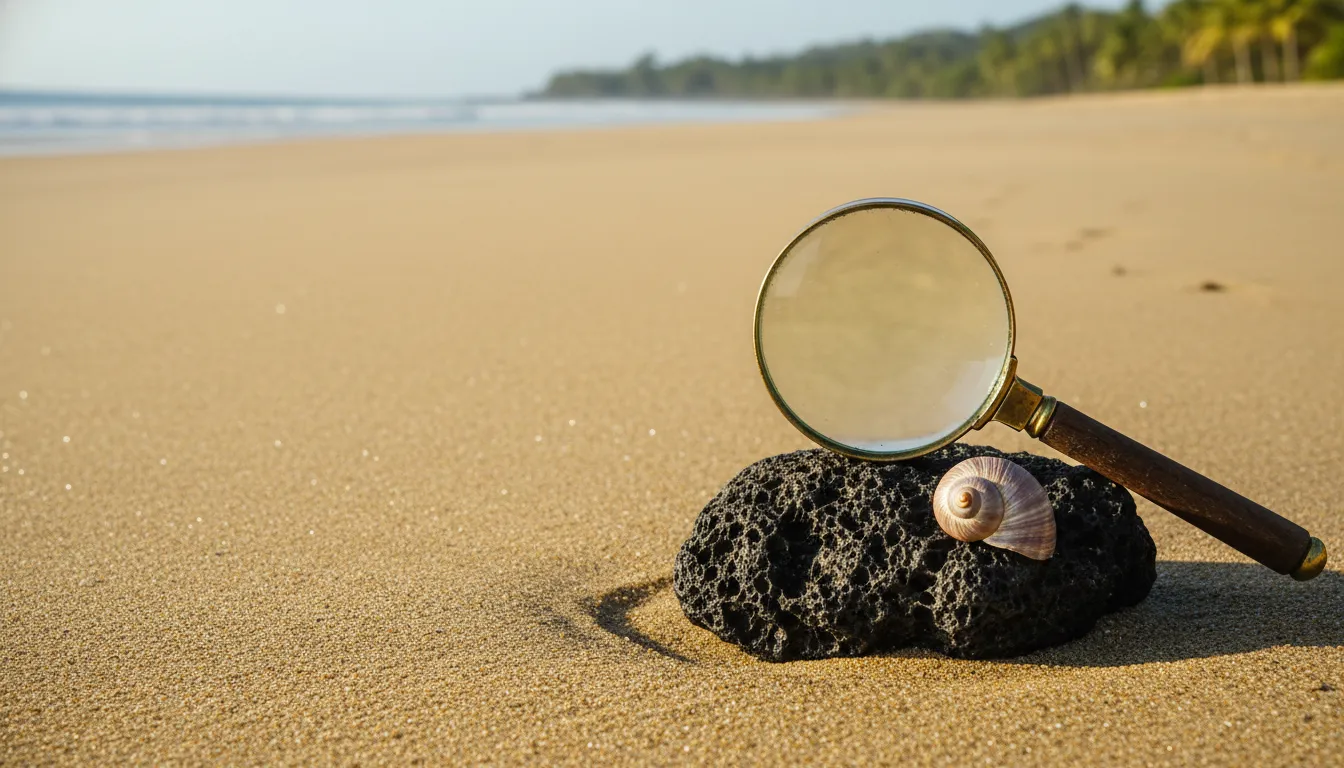
Some of the best science lessons happen spontaneously, without entrance fees or official guides. Beachcombing along Jaco Beach transforms into a scavenger hunt for shells, volcanic rocks, and tide pool creatures. Your kids can practice basic geology by identifying different rock types, study marine biology by examining shells and sand crabs, and learn about tidal patterns by observing the water line. It’s hands-on learning disguised as playtime, with the Pacific Ocean as your laboratory.
Backyard birdwatching from your Jaco Beach Zen balcony might sound low-key, but it’s surprisingly engaging. Our property’s location—close enough to wander downtown, far enough to hear the waves—means we get regular visits from toucans, parrots, and various hummingbird species. Grab some binoculars and a bird identification guide, and suddenly breakfast becomes an ornithology lesson. Kids can keep a species log, sketch birds they spot, and learn to identify calls. It’s citizen science at its most accessible, and it doesn’t require leaving the property.
The local ferias (farmer’s markets) offer lessons in botany, economics, and cultural exchange. Your kids can practice currency conversion when buying exotic fruits, identify unfamiliar vegetables and learn their Spanish names, and discuss agricultural practices with vendors. What’s the difference between a plantain and a banana? Why do some fruits only appear during certain seasons? How do you pronounce “maracuyá”? These everyday interactions build scientific curiosity and cultural awareness simultaneously. If you’re already thinking about the best ways to get around Jaco to hit these spots, our transportation guide has you covered.
Making the Most of Your Jaco ‘Science Trip’: Practical Tips for Parents
Pack smart, or pay the price. Sunscreen, biodegradable bug spray, refillable water bottles, and comfortable closed-toe shoes aren’t suggestions—they’re survival gear for tropical exploration. Add a small first-aid kit, some snacks for energy crashes, and a lightweight rain jacket because tropical weather has zero respect for your itinerary. A small backpack for each child lets them carry their own gear and builds responsibility.
Embrace the unpredictable nature of, well, nature. Sometimes the sloths are sleeping. Sometimes the monkeys decide to hang out three kilometers from the trail. Sometimes it rains sideways for twenty minutes. Teaching kids that nature doesn’t follow a strict schedule builds patience and adaptability. The best wildlife encounters often happen when you’re not actively seeking them—a toucan landing in a nearby tree while you’re eating lunch, or a troop of howlers crossing overhead during an afternoon walk.
Safety always comes first, but fun is a close second. When dealing with wildlife—especially powerful animals like crocodiles—always listen to your guide’s instructions. Their local knowledge ensures everyone stays safe while getting incredible experiences. Establish clear rules with kids before any outing: stay on trails, don’t touch animals without permission, and respect the wildlife’s space. These aren’t arbitrary restrictions; they’re what allows these encounters to happen safely and sustainably.
Debrief and document after each adventure. Encourage kids to draw what they saw, write about their favorite discoveries, or even create a “field journal” throughout the trip. This reflection time solidifies learning and creates lasting memories. Ask open-ended questions: What surprised you? What do you want to learn more about? How do the animals we saw today differ from animals back home? These conversations often reveal what truly resonated and can guide future explorations. For more tips on keeping the little ones happy and healthy on vacation, read our extensive guide to [family travel in Jaco](https://jacobeachzen.com/Family-Friendly Activities/jaco-family-vacation-packages).
FAQ
Are there any traditional children’s science museums in Jaco?
No, Jaco doesn’t have a conventional children’s museum with static exhibits. However, the region offers something arguably better: living science centers where kids interact directly with ecosystems and wildlife. These hands-on experiences—at places like Neo Fauna Wildlife Sanctuary and Rainforest Adventures—provide more memorable learning than traditional museums. The entire coastal region functions as an outdoor classroom where biology, ecology, and conservation come alive through direct observation.
What are the best outdoor ‘science’ activities for kids near Jaco?
Neo Fauna Wildlife Sanctuary tops the list for conservation education, while Rainforest Adventures offers comprehensive ecosystem exploration through aerial trams and guided walks. The Crocodile Man Tour provides unforgettable lessons in reptile biology and river ecosystems. Carara National Park works perfectly for older kids interested in birdwatching and tropical ecology. Don’t overlook simple activities like beachcombing, tide pool exploration, and birdwatching from your rental property—these everyday interactions often spark the deepest curiosity.
Is the Crocodile Man Tour safe for young children?
Yes, when you follow guide instructions carefully. The tour operators are experienced professionals who prioritize safety while providing close encounters with American crocodiles. That said, very young children (under 5) might find the experience overwhelming or have difficulty following safety protocols. Most families find that kids aged 6 and up get the most from the experience—old enough to appreciate the biology lesson and follow rules, but young enough to find it genuinely thrilling.
How can I make a beach trip educational for my kids in Jaco?
Transform beach time into lessons by identifying different shell types, observing hermit crabs and their habitat choices, tracking tide patterns throughout the day, and collecting volcanic rocks to discuss their formation. Bring a simple field guide to coastal creatures. Challenge kids to sketch what they find or keep a beach journal. Early morning beach walks often reveal sea turtle tracks during nesting season (April-October). Even building sandcastles teaches basic engineering and geology when you discuss why certain sand works better.
What should I pack for a day of nature exploration with kids in Jaco?
Essentials include biodegradable sunscreen and bug spray, refillable water bottles, closed-toe hiking shoes, lightweight rain jackets, hats, and snacks. Add binoculars for wildlife viewing, a small first-aid kit, and perhaps a field guide for birds or plants. A small backpack for each child helps them manage their own gear. Don’t forget waterproof bags for phones and cameras—tropical humidity and sudden rain showers are real threats to electronics. Bring more water than you think you’ll need.
Are there guided tours that focus on wildlife and nature for families in Jaco?
Absolutely. Neo Fauna offers guided sanctuary tours with naturalist explanations of each animal’s story and species. Rainforest Adventures provides expert-led aerial tram rides with detailed ecosystem explanations. The Crocodile Man Tour includes knowledgeable guides who discuss crocodile biology and river health. Carara National Park tours with certified naturalist guides dramatically increase your wildlife spotting success and provide context that enriches every sighting. Local tour operators understand family dynamics and adjust pacing and content for different age groups.
Can we see monkeys and sloths if we stay at Jaco Beach Zen?
While we can’t guarantee specific wildlife appearances—nature doesn’t work that way—our location offers genuine opportunities for wildlife spotting right from the property. Guests regularly report seeing toucans, parrots, and various bird species from balconies. Howler monkeys are frequently heard and sometimes seen in nearby trees, especially early morning. For guaranteed sloth and monkey encounters, we recommend visiting Neo Fauna Wildlife Sanctuary or taking a guided tour to Carara National Park, both easily accessible from our location.
Do these ‘science centers’ have age restrictions for kids?
Most don’t have hard age restrictions, but practical limitations exist. Neo Fauna welcomes all ages and works well even for toddlers with short attention spans. Rainforest Adventures’ aerial tram accommodates young children, though ziplines have minimum age and weight requirements (typically 5+ years, 50+ pounds). Carara National Park’s trails can challenge very young children—the heat and hiking distance work better for kids 6 and older. The Crocodile Man Tour technically allows all ages but works best for children who can sit quietly and follow instructions, usually 5+.
Bahía Azul, unit 7C sits right on this stretch of sand — on the quiet south end of Jacó, a few hundred feet from the water.
Book on Airbnb