Planning a family trip to Jaco means juggling the impossible: finding beaches that won’t terrify your cautious five-year-old, activities that engage your Minecraft-obsessed tween, and restaurants where your toddler’s meltdown won’t earn death stares. Good news—Jaco’s actually built for this. Between the calm swimming spots locals guard like family secrets, wildlife encounters that beat any zoo, and surf lessons designed for wobbly legs, this beach town delivers the rare trifecta of safe, engaging, and genuinely memorable. Most families stumble into generic tourist traps or beaches with riptides that make even adults nervous. This guide cuts through that noise with the spots where Jaco parents actually take their own kids—the tide pools, the wildlife refuges, the beaches where you can relax instead of playing lifeguard. Whether you’re looking for educational adventures or simple beach days that don’t end in emergency room visits, here’s your insider playbook.
The Calm Water Conspiracy: Jaco’s Secret Family Swimming Spots
Here’s what nobody tells you about Jaco Beach: the main stretch near downtown gets rowdy. Strong surf, aggressive waves, riptides that can surprise even experienced swimmers. Great for surfers, nerve-wracking for parents watching their kids. The local solution? Walk south toward the rocky points where natural formations create protected swimming zones. These spots don’t appear on tourist maps because they’re not dramatic Instagram backdrops—just calm, swimmable water where your kids can actually play without you having a panic attack.
The best protected zone sits near the southern end of Playa Jaco, where volcanic rocks create a natural barrier. During low tide, shallow pools form that are perfect for little ones—think ankle to knee-deep water that warms in the sun. You’ll spot local families here on weekends, which is always your reliability indicator. The rocky bottom means water shoes are non-negotiable (those volcanic rocks are no joke), but the trade-off is water calm enough for floaties and beach ball games.
Timing matters enormously. Check tide schedules before heading out—low to mid-tide offers the safest conditions. High tide eliminates those protective pools and brings stronger currents even in sheltered areas. Morning visits mean cooler temperatures and calmer conditions before afternoon winds pick up. Pack plenty of shade options because these spots don’t have the palm tree coverage you’ll find elsewhere. An umbrella, rashguards for the kids, and aggressive sunscreen application will save you from that “we look like lobsters” family photo scenario.
Crocodile Tours That Won’t Traumatize Your Children
The Tarcoles River crocodile tours sound terrifying in theory—giant reptiles, small boats, impressionable children. In practice? It’s the wildlife encounter that gets kids actually putting down their devices. The key is choosing operators who understand the difference between “educational wildlife viewing” and “let’s see how close we can get before someone loses an arm.” Responsible tour companies maintain safe distances while still offering incredible viewing opportunities of these prehistoric creatures.
The real magic happens during feeding demonstrations, where guides explain crocodile behavior, conservation efforts, and ecological importance while massive crocs launch themselves partially out of the water. It’s visceral enough to impress teenagers, educational enough to satisfy curious elementary schoolers, and safe enough that you’re not writing an incident report later. Tours typically run 1.5 to 2 hours—the sweet spot before younger kids hit their attention limit.
Beyond crocodiles, these river tours deliver serious bird-watching opportunities. Scarlet macaws, herons, kingfishers, and dozens of other species turn the trip into an impromptu nature documentary. Bring binoculars if you have them, though most tour boats provide them. The guides often have encyclopedic knowledge of local wildlife and can answer the approximately 847 questions your curious eight-year-old will fire off. Morning tours offer better lighting for photos and more active wildlife before the midday heat sends everyone into lazy mode.
Rainforest Adventures: Tree Platforms Your Kids Will Actually Remember
Canopy tours and aerial trams offer that “we’re basically in a nature documentary” experience, but not all are created equal for families. The best kid-friendly operations understand that not every child wants to zip-line through the jungle at terminal velocity. Aerial trams provide a gentler introduction to rainforest canopy exploration—enclosed gondolas that glide through treetops while guides point out sloths, toucans, and other wildlife your kids would never spot on their own.
The Rain Forest Aerial Tram near Jaco offers this perfect middle ground between adventure and accessibility. It’s engaging enough for kids who need stimulation, calm enough for those who get overwhelmed by intense activities. The elevated perspective reveals an entirely different ecosystem than ground-level trails—orchids clinging to branches, monkeys swinging through canopies, birds that never touch the forest floor. Most rides last about an hour, covering enough ground to feel like an expedition without testing the patience of shorter attention spans.
For families with older kids or teens ready for more adrenaline, several operators combine trams with zip-line courses designed for different experience levels. These hybrid adventures let cautious family members enjoy the tram while thrill-seekers tackle the zip-lines, then everyone reconvenes for the naturalist-guided portions. Just verify minimum ages and weight requirements before booking—nothing kills adventure vibes faster than showing up and discovering your ten-year-old doesn’t meet the criteria.
Beach Tide Pools: Free Entertainment That Beats Any Water Park
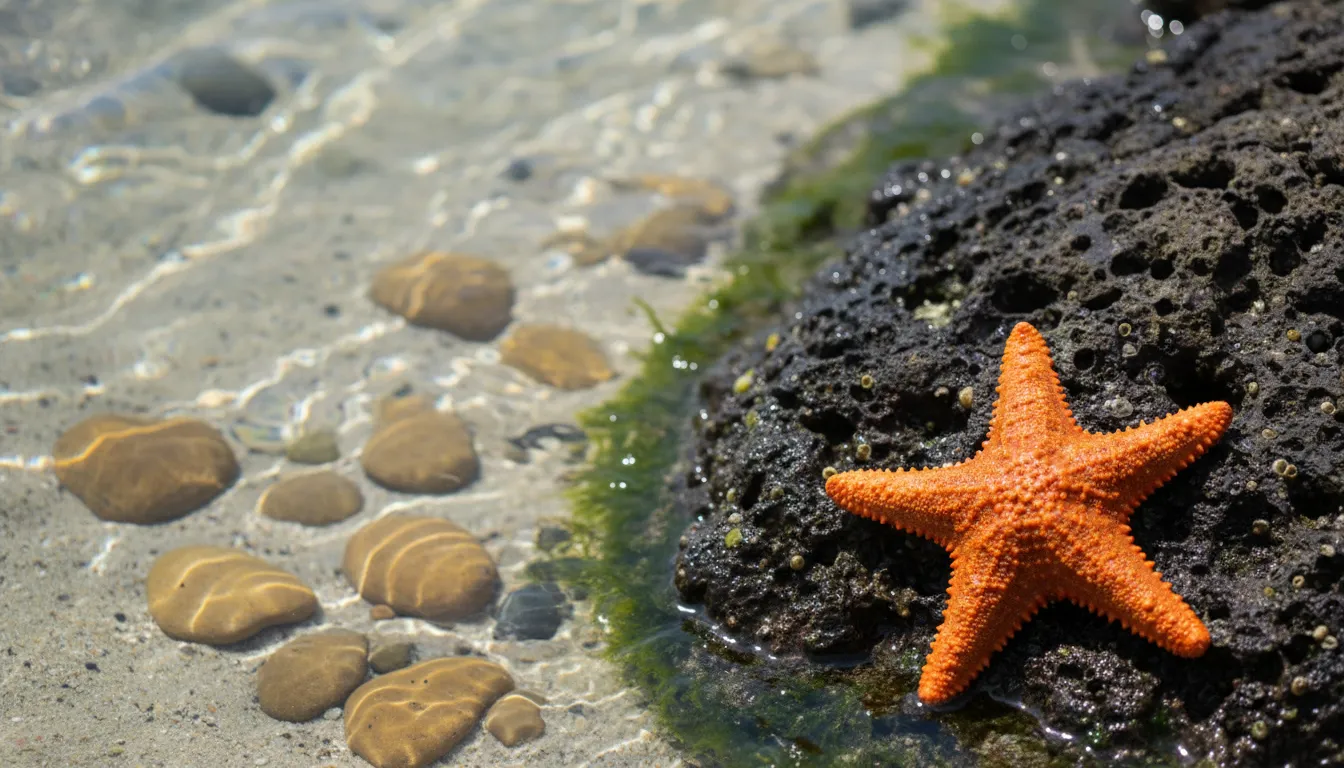
Tide pools offer that rare combination of free, educational, and genuinely engaging for kids. The rocky southern end of Jaco Beach transforms during low tide into a natural aquarium—small fish, crabs, sea stars, anemones, and other marine life trapped in shallow pools until the ocean reclaims them. It’s the activity that keeps kids occupied for hours while costing exactly zero dollars.
The best tide pool exploration happens during the lowest tides of the month, typically around new and full moons. Check local tide charts and aim for visits about an hour before official low tide—you’ll catch the pools at their fullest before they drain completely. Bring a small bucket for temporary observation (release everything before leaving), water shoes for navigating slippery rocks, and a basic marine life identification guide if you want to level up the educational component.
Parent hack: Set clear boundaries for how far kids can explore and establish a buddy system for older children. Those rocks get slippery, and rogue waves can surprise even experienced beachgoers. The goal is supervised exploration, not turning it into a constant “get back here” stress festival. Some families bring waterproof phone cases for underwater photography—kids love documenting their discoveries and it gives them a focused activity beyond just splashing around.
Surf Lessons Designed for Actual Children (Not Just Short Adults)
Jaco’s surf schools are everywhere, but not all understand how to teach kids versus teaching adults with shorter legs. The best instructors know that children need different approaches—more encouragement, shorter sessions, equipment actually sized for their bodies. Look for schools offering dedicated kids’ programs with foam boards that won’t turn into floating weapons when waves knock them loose.
Successful surf lessons for kids start with beach instruction before anyone touches water. Good instructors spend significant time on sand practicing pop-ups, explaining ocean safety, and building confidence. Once in the water, they choose gentle beach break areas where waves are consistent but not overwhelming. The ideal first session gets kids standing on boards, even if it’s only for a few seconds, building the confidence foundation for future attempts.
Many families make the mistake of booking group lessons without checking group sizes. Four students per instructor is manageable; eight is chaos where your child gets minimal individual attention. Private or semi-private lessons cost more but deliver exponentially better results, especially for younger or more nervous kids. Most surf schools offer multi-day packages that provide better value and allow skills to actually develop rather than just checking “tried surfing” off the vacation list. For families staying at properties like Jaco Beach Zen(/), our location provides easy access to several reputable surf schools within walking distance, making it simple to schedule lessons without complicated logistics.
Wildlife Refuges Where Sloths Are Actually Awake
Wildlife refuges deliver those “we saw animals being animals, not just sleeping” moments that make family trips memorable. The key is visiting rescue centers focused on rehabilitation rather than entertainment—places where wildlife welfare comes before tourist photo opportunities. These facilities offer educational programs explaining conservation efforts, species threats, and ecological importance while providing genuine wildlife encounters.
Carara National Park, about 30 minutes from Jaco, offers well-maintained trails where families regularly spot scarlet macaws, monkeys, coatis, and if you’re fortunate, sloths actually moving through trees. The Universal Trail is wheelchair accessible and perfect for younger children, offering a gentle 45-minute loop through primary rainforest. More adventurous families can tackle the Laguna Meandrica trail, though it requires better stamina and comfort with more rustic conditions.
Local wildlife rescue centers provide closer encounters with animals being rehabilitated for release. These visits teach kids about conservation while offering incredible photo opportunities. Many centers welcome donations or offer adoption programs where families can symbolically support specific animals’ care. It’s the souvenir that teaches values instead of just collecting dust on a shelf. Just remember: these are rescue facilities, not zoos. Not every animal will be visible during your visit, and that’s actually a good sign—it means they’re behaving naturally rather than being stressed for tourist entertainment.
Horseback Riding Adventures That Don’t Require Rodeo Skills
Horseback riding tours through Jaco’s surrounding areas offer that “we’re basically in a Western movie” vibe without requiring any actual riding experience. Reputable operators provide well-trained horses matched to rider experience levels, from absolute beginners to kids who’ve been riding since they could walk. The best family tours combine beach riding with mountain trails, offering varied scenery and that iconic “horses walking through surf” moment your Instagram followers expect.
Most tours accommodate children as young as six, though some require adult accompaniment for younger riders. Tour lengths vary from 90-minute introductions to half-day adventures including waterfall visits or mountain viewpoints. Shorter tours work better for first-timers or younger kids—nothing kills enthusiasm faster than sore muscles and saddle fatigue halfway through a three-hour ride.
Choose operators who prioritize safety over speed. The goal isn’t racing through trails; it’s enjoying the experience while learning basic riding skills. Good guides match pace to the least experienced rider and frequently check in with nervous participants. They’ll also point out wildlife, explain local ecology, and share stories about the areas you’re riding through. Wear long pants regardless of heat (trust this advice when you’re not dealing with saddle chafe later), bring sunscreen, and confirm whether the operator provides water or if you need your own.
Day Trips to Manuel Antonio: Worth the Early Morning Whining
Manuel Antonio National Park sits about an hour south of Jaco and consistently ranks among Costa Rica’s most spectacular destinations. Yes, the early wake-up call will trigger protests from teenagers. Yes, it’s worth the whining. The park combines pristine beaches with accessible hiking trails and wildlife encounters that deliver on those “Costa Rica is magical” expectations.
The catch: Manuel Antonio’s popularity means crowds. Arrive at opening time (7 AM) to experience the park before bus tours descend. Early arrival also increases wildlife spotting chances—monkeys, sloths, and other animals are more active during cooler morning hours. The park limits daily visitors, so showing up mid-morning during high season might mean getting turned away. Many families hire local guides at the entrance—their trained eyes spot wildlife your group would walk past, and their knowledge adds educational value beyond just hiking around.
The beaches within Manuel Antonio offer calm swimming conditions perfect for families. Playa Manuel Antonio itself provides gentle waves and soft sand ideal for younger children. Just watch for raccoons and monkeys who’ve learned that unattended bags often contain snacks—they’re bold, clever, and faster than you’d expect. Secure everything or designate someone to guard belongings while others swim.
Practical Information: Restaurants That Welcome Tiny Humans
Finding family-friendly restaurants in Jaco means looking beyond tourist traps downtown to spots where local families actually eat. Sodas (small family-run restaurants) typically offer kid-friendly staples like rice and beans, chicken, and fresh fruit at prices that won’t destroy your budget. The food is authentic, portions are generous, and staff genuinely welcome families rather than tolerating them.
Many restaurants offer “casados”—traditional Costa Rican plates combining rice, beans, plantains, salad, and protein choice. It’s the meal that lets picky eaters find something they’ll consume while adventurous family members try local flavors. Most places happily accommodate requests for plain versions of dishes or simple pasta options for extremely selective eaters.
Timing your meals strategically makes dining out significantly more pleasant. Early dinners (5:30-6:30 PM) mean less crowded restaurants, faster service, and kids who haven’t yet hit their meltdown threshold. Many families discover that beach picnics solve multiple problems—cheaper than restaurants, no wait times, and kids can play between eating. Local grocery stores stock everything needed for simple beach meals, from fresh fruit to prepared foods.
Frequently Asked Questions
What’s the best age range for visiting Jaco with kids?
Jaco works well for families with children ages 4 and up. Younger toddlers can certainly visit, but many activities have age or height requirements that exclude them. The sweet spot is elementary through middle school ages—old enough to participate in most adventures, young enough to still find wonder in wildlife encounters and beach play. Teenagers enjoy the surf culture and more adventurous activities while younger kids thrive at tide pools and calm beach areas.
Are Jaco beaches safe for children who aren’t strong swimmers?
Main Jaco Beach has strong currents and surf that can challenge even confident swimmers, making it less ideal for weak or non-swimmers. However, the protected areas at the southern end and specific calm-water spots offer much safer conditions for children. Always supervise kids closely regardless of swimming ability, use flotation devices for non-swimmers, and respect warning flags when posted. The safest approach is sticking to designated calm zones during low to mid-tide and avoiding water during high tide or rough conditions.
How much should we budget for family activities in Jaco?
Activity costs vary enormously. Free or cheap options include beach time, tide pool exploration, and self-guided town walks. Mid-range activities like surf lessons run $40-60 per person for group sessions. Higher-end options like crocodile tours, zip-lining, or guided national park visits cost $60-100+ per person. A moderate budget for a family of four might allocate $200-300 per day for activities beyond meals and accommodation, though you can certainly spend less by mixing free beach time with occasional paid adventures.
What should we pack for a family beach day in Jaco?
Essentials include high-SPF reef-safe sunscreen, water shoes for rocky areas, plenty of drinking water, shade options (umbrella or pop-up tent), towels, and rash guards for kids. Add a first-aid kit with basics for scrapes and stings, snacks that won’t melt, and waterproof phone cases if you want photos. Beach toys keep younger kids entertained during downtime. A cooler with ice maintains food safety and provides cold drinks throughout the day. Don’t forget cash for parking, vendors, or coconut water from beach sellers.
Is it better to rent a car or use tours for family activities?
Cars provide flexibility for families who value independence and have confident drivers comfortable with Costa Rican roads. You can leave when kids get fussy, make spontaneous stops, and avoid being locked into tour schedules. However, tours eliminate navigation stress, often include knowledgeable guides, and handle logistics like national park entry fees. Many families do a hybrid approach—rent a car for beach days and nearby exploration, book tours for destinations like Manuel Antonio or crocodile viewing where guide expertise adds significant value and parking can be challenging.
Bahía Azul, unit 7C sits right on this stretch of sand — on the quiet south end of Jacó, a few hundred feet from the water.
Book on Airbnb