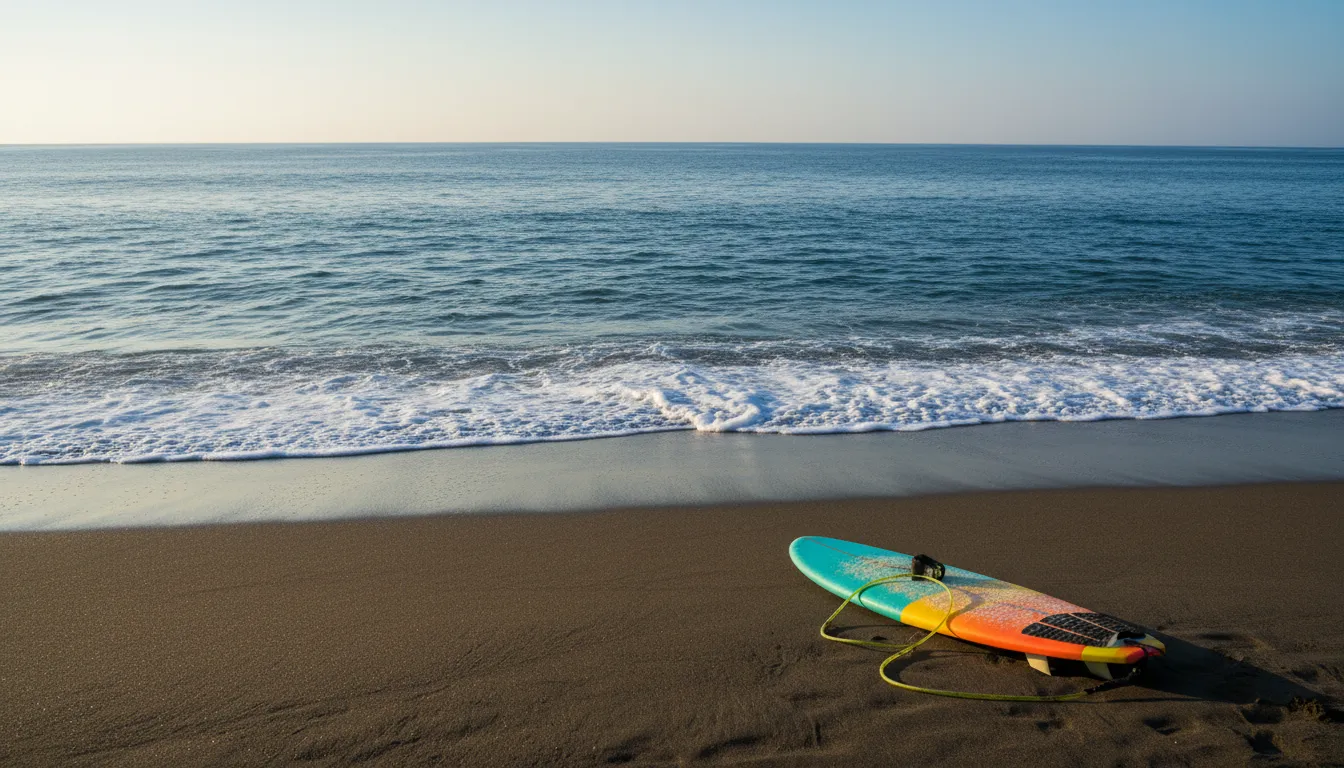
Jaco Beach has earned its reputation as Costa Rica’s family surf capital for good reason—the waves here know how to play nice with beginners. Unlike the reef breaks up north or the powerful beach breaks down south, Jaco delivers consistent, forgiving waves that don’t punish wobbles or mistimed pop-ups. I’ve watched countless families tackle their first surf lessons here, from nervous four-year-olds who end the day demanding “just one more wave” to parents who secretly thought they were too old (spoiler: you’re not). The gentle rolling waves, warm water year-round, and an impressive lineup of patient instructors make Jaco the sweet spot for family surf lessons. Whether you’re staying at Jaco Beach Zen, where you can literally walk to several surf schools in under ten minutes, or visiting for the day, this guide covers everything you need to know about getting your whole crew surfing.
Why Jaco’s Waves Are Perfect for Learning Families
Jaco’s geography creates an almost engineered beginner zone. The beach sits in a protected bay with a sandy bottom that extends far out, meaning kids (and adults) can stand up in waist-deep water even 30 meters from shore. The waves break gently over sand rather than rocks or reef, so wipeouts result in splashes, not scrapes. Most importantly, the waves here arrive with remarkable consistency—you’re not waiting twenty minutes between sets like at some beaches, which means more practice time and less boredom for energetic kids.
The water temperature hovers around 80°F year-round, eliminating the wetsuit debates that plague family surf trips elsewhere. Your kids won’t spend half the lesson complaining they’re cold. The wave height typically ranges from two to four feet during beginner-friendly conditions, which translates to “exciting but not scary” for most families. Local surf schools monitor conditions obsessively and will reschedule if conditions aren’t ideal—a level of professionalism that separates Jaco’s established operations from fly-by-night beach instructors.
Timing matters here. Morning sessions (7-9 AM) offer the calmest conditions before afternoon winds pick up. The tide cycle affects wave quality, but Jaco remains surfable at most tide stages, giving you flexibility if your family doesn’t do early mornings. Between April and November, you’ll find the most consistent conditions, though December through March still delivers plenty of excellent beginner days. If you’re planning [family activities in Jaco](/Family-Friendly Activities/top-family-activities-in-jaco), surf lessons should anchor your itinerary—everything else can flex around your lesson time.
Choosing the Right Surf School for Your Family
Not all surf schools handle families equally well. The best ones understand that teaching a six-year-old requires different strategies than coaching a teenager, and that parents often need as much encouragement as their kids. Look for schools with ISA-certified instructors (International Surfing Association), liability insurance, and a student-to-instructor ratio that maxes out at 4:1 for kids.
Several standout schools operate in Jaco. Tortuga Surf School has built a reputation for patience with younger kids, using games and encouragement rather than technical jargon. Their instructors often teach in Spanish and English, making lessons accessible for international families. Safari Surf School offers family packages where parents and kids learn together but with age-appropriate instruction—parents get the “here’s how to read the wave” explanation while kids get the “make your body into a T-Rex” version.
School of the World provides a more comprehensive option with multi-day camps that include surf theory, ocean safety, and environmental education. Their half-day programs work well if you’re staying at Jaco Beach Zen and want mornings for surfing, afternoons for pool time. Kahuna Surf School focuses on small groups and personalized attention, ideal for families with mixed ability levels or kids who need extra confidence-building.
Ask specific questions when booking: What’s the cancellation policy if conditions aren’t safe? Do they provide rash guards and reef-safe sunscreen? How do they handle different skill levels within a family group? The best schools will answer thoroughly and adjust their approach based on your family’s needs rather than trying to fit you into a standard program.
What to Expect in Your First Family Lesson
Your first lesson starts on the sand, which surprises some families who assume they’ll immediately hit the water. Expect 15-20 minutes of land-based instruction covering pop-up technique, balance positioning, and safety protocols. Kids actually benefit from this dry run—they can practice without waves knocking them over, building confidence before the real thing.
Instructors typically demonstrate on their own boards, then guide each student through individual pop-ups. They’ll watch your form, make corrections, and have everyone practice until the movement becomes somewhat automatic. This isn’t wasted time—the families who nail their pop-ups on land stand up on waves significantly faster than those who skip ahead.
Once in the water, instructors start in knee-to-waist-deep sections where everyone can touch bottom. They’ll push each person into waves individually, meaning your family won’t all surf simultaneously at first. Parents often go first to model the process for nervous kids, though some instructors reverse this when they sense a child’s enthusiasm will inspire hesitant adults.
Expect to catch 8-15 waves in a 90-minute lesson, though this varies wildly based on conditions and individual ability. Some kids stand up on their first try; others need three or four attempts. Good instructors celebrate both achievements equally. The lesson ends with a beach debrief covering what worked, what to practice, and whether you’re ready for the next level.
Many families book a second lesson immediately after the first, which I recommend. The first lesson builds foundation and confidence; the second lesson is where the magic happens as everyone starts reading waves and controlling their boards with less assistance.
Age Guidelines and Ability Adaptations
Most Jaco surf schools accept students starting at age 5, though some will work with confident four-year-olds in private lessons. The lower age limit isn’t arbitrary—it reflects the physical strength needed to paddle and pop up, plus the attention span required for safety instruction. If your child can swim 25 meters unassisted and follow multi-step directions, they’re probably ready.
For kids 5-7, lessons focus on fundamentals through play. Instructors use softboard “mini-logs” sized appropriately for small bodies, and they’ll physically guide kids onto waves while staying within arm’s reach. Sessions run shorter—60 minutes rather than 90—because fatigue sets in faster for young learners.
Kids 8-12 represent the sweet spot for rapid progression. They have the physical coordination for proper technique, the fearlessness to commit to waves, and enough competitive drive to push themselves (but not so much they get frustrated). Most schools group this age range together unless there’s a significant size difference.
Teenagers often progress fastest of all, combining adult-like coordination with youthful resilience. They can handle longer sessions and more technical instruction. Some surf schools offer teen-specific groups that move at a faster pace and introduce intermediate concepts like wave selection and turning.
Adults learning alongside kids should manage expectations—your six-year-old will probably stand up before you do, and that’s okay. Kids have lower centers of gravity, less fear, and more flexible joints. Focus on your own progression rather than comparing yourself to your naturally gifted offspring. Many parents find that taking one private adult lesson while kids are in their group lesson accelerates everyone’s learning.
Safety Protocols That Actually Matter
Legitimate surf schools in Jaco treat safety as non-negotiable, but you should verify their protocols rather than assuming. Every lesson should start with a beach assessment where instructors explain the day’s conditions, point out channels and rip currents (rare at Jaco but possible), and establish the lesson boundaries.
Life jackets or flotation vests should be available for weak swimmers or very young learners, though most kids 6+ won’t need them in Jaco’s gentle conditions. All students should wear rash guards for sun protection and to prevent board rash. Quality schools provide these; budget operations might charge extra or expect you to bring your own.
Instructor positioning matters more than most families realize. During the lesson, instructors should remain between students and the incoming waves, never on the shore watching from a distance. They should be in the water, within reach, actively spotting hazards and managing the group spacing to prevent board collisions.
Surf schools should have emergency protocols for various scenarios: lost student, injury, changing conditions, or lightning. Ask about these before booking. They should have first aid kits on the beach, communication devices (radio or phone in waterproof case), and established relationships with local medical facilities. This might seem paranoid, but professional operations won’t be offended by the questions—they’ll be glad you’re asking.
One often-overlooked safety aspect: does the school teach ocean awareness alongside surf technique? Your kids should learn to spot rip currents, understand sets and lulls, and know what to do if they get separated from their board. These skills matter beyond your Jaco vacation; they’ll serve your family at any beach for years to come.
Equipment Essentials and What Schools Provide
Reputable surf schools include all necessary equipment in their lesson fees, which should cover a soft-top surfboard, rash guard or wetsuit, and leash. The boards for beginners run 7-9 feet long with soft foam construction that won’t injure anyone during inevitable collisions. Longer boards provide more stability, which is why you’ll never see a good instructor starting kids on shortboards despite what looks cool.
Board sizing matters more for kids than adults. A board that’s too large becomes unwieldy and dangerous; too small provides insufficient flotation. Quality schools match boards to student size rather than simply handing out whatever’s available. Your seven-year-old shouldn’t be wrestling the same board size as a teenager.
Rash guards protect against sun, board rash, and (bonus) make it easier to spot your kids in the water. Schools typically provide these, but if you’re staying longer and planning multiple surf sessions from Jaco Beach Zen, consider buying your own at one of the local surf shops. Look for UPF 50+ rated garments that cover shoulders and upper arms where sunburn hits hardest.
What you should bring: reef-safe sunscreen (required by law in Costa Rica’s marine areas), water bottles for after the lesson, and a change of clothes. If anyone in your family wears glasses, bring a glasses strap or plan to surf without them—contacts work better in the ocean. Leave jewelry, watches, and anything valuable in your accommodation; waterproof phone cases are tempting but become another thing to manage during the lesson.
Some families ask about wetsuits. In Jaco’s warm water, you won’t need them for temperature. Occasionally instructors recommend thin (1-2mm) spring suits for extra sun protection during multi-hour sessions, but standard lessons don’t require them. If your family plans to pursue surfing seriously, invest in gear after you’ve confirmed everyone’s hooked—no sense buying equipment for a sport your kids might abandon after one lesson.
Multi-Day Surf Camps vs. Single Lessons
Single lessons work perfectly for families on short trips or those testing the waters (literally) before committing. You’ll learn fundamentals, get a taste of surfing, and have a memorable experience without the multi-day commitment. Book a 90-minute group lesson or 60-minute private session, and you’ll know by the end whether your family wants more.
Multi-day camps (typically 3-5 consecutive days) accelerate progression dramatically. Day one covers basics; day two refines technique; by day three or four, most families are catching waves independently and working on turns. The repetition cements muscle memory, and instructors can build on previous lessons rather than starting from scratch each time.
Several Jaco surf schools offer family-specific camp packages. These usually include 2-3 hours of daily instruction, all equipment, sometimes transportation from local hotels (including Jaco Beach Zen), and graduated progression through skill levels. The structure varies—some camps run mornings only, others offer afternoon sessions, and a few provide all-day experiences with beach games and ocean education mixed in.
Cost-wise, camps provide better value than individual lessons if you’re doing three or more sessions. A week-long camp might cost $250-400 per person versus $60-80 per single lesson. The math favors commitment. Plus, camps create community—your kids will make friends with other young surfers, adding a social dimension that single lessons lack.
Deciding between camps and single lessons? Consider your schedule flexibility, budget, and how serious your family is about learning. If you’re in Jaco for a week and prioritizing [family activities](/Family-Friendly Activities/top-family-activities-in-jaco), a 3-day camp plus other adventures makes sense. If you’re squeezing Jaco into a busy Costa Rica itinerary, one excellent lesson creates a better memory than a rushed camp experience.
Practical Tips From Families Who’ve Done It
Hydration matters more than most families anticipate. The combination of sun, salt water, and physical exertion dehydrates everyone quickly. Bring twice as much water as you think you’ll need and actually drink it between wave sets. Dehydration leads to fatigue, which leads to sloppy technique and increased injury risk.
Morning lessons beat afternoon sessions for most families, not just because of wave quality but because of energy levels. Kids (and adults) are fresher, attention spans are longer, and you avoid the midday heat. Book the earliest slot your family can realistically make—7 AM start times work great if you’re staying at Jaco Beach Zen where you can walk to surf schools in minutes.
Manage expectations about progression, especially for adults. Your kids will probably stand up faster than you; your 12-year-old might outpace your teenager; someone will take to it naturally while someone else struggles. This is all normal and no reflection on anyone’s worth as a human. Celebrate individual progress rather than comparing family members.
Budget extra time after lessons for [beach play](https://jacobeachzen.com/Family-Friendly Activities/family-beach-days-in-jaco). The lesson ends, but your kids won’t want to leave immediately. Bring sand toys or plan for swimming time. This transition period lets everyone process the experience and usually results in hilarious retellings of who wiped out when.
Take photos, but don’t obsess over getting the perfect shot. Some surf schools include photography packages; others will help you identify good vantage points. However, the parent manning the camera misses the experience of being in the water. Consider taking turns or simply hiring a photographer for one session so everyone participates fully.
Finally, book lessons early in your trip rather than saving them for the end. If your family loves it (likely), you’ll want time for additional practice sessions. Plus, surf lessons provide natural talking points for the rest of your vacation—“Remember when Dad fell off his board five times?” becomes the story that keeps giving.
Frequently Asked Questions
What’s the best age to start kids surfing in Jaco?
Most children are ready at age 5-6 if they can swim 25 meters unassisted and follow multi-step directions. Jaco’s gentle waves and sandy bottom create ideal learning conditions for young kids. Some exceptionally coordinated four-year-olds succeed in private lessons, but most surf schools recommend waiting until age five when attention spans and physical strength align better with surfing demands. Don’t rush it—starting too early can create negative associations if your child isn’t developmentally ready.
Should we book private or group lessons for our family?
Group lessons cost less and create fun social dynamics, especially for kids who enjoy peer interaction. Private lessons accelerate learning through personalized attention and work better for mixed-ability families or those with special needs. A good compromise: start with a private family lesson to assess everyone’s comfort level, then transition to group lessons for subsequent sessions. This approach builds confidence initially while providing the cost efficiency and social benefits of groups afterward.
What happens if my child gets scared during the lesson?
Quality instructors recognize fear and adjust immediately. They might move to shallower water, take breaks, or switch to beach activities while other students continue. Surf schools in Jaco understand that pushing scared kids backfires—they’ll modify the experience to rebuild confidence rather than forcing progression. Communicate your child’s personality to instructors beforehand; they’ll appreciate knowing whether your kid needs encouragement or space when anxious.
Can non-swimming family members participate?
Absolute beginners can participate with flotation devices in extremely shallow water (knee-deep), but this limits the experience significantly. Most surf schools require at least basic swimming ability for safety reasons. If you have non-swimmers in your family, consider scheduling concurrent swimming lessons at your hotel pool while others surf. Jaco Beach Zen’s location near multiple surf schools makes coordinating split activities easier—surfers head to the beach while non-swimmers practice pool skills.
How much should we budget for family surf lessons?
Group lessons run $50-80 per person for 90 minutes; private family sessions cost $120-200 total for 2-4 people. Multi-day camps range from $200-400 per person for 3-5 days. Add $30-50 for photos/videos if desired. Budget for at least two lessons per person—the first builds foundation, the second delivers breakthroughs. Equipment is typically included, so your main additional expense is sunscreen and post-lesson celebratory smoothies at the beachfront stands.
What’s the ideal time of year for family surf lessons in Jaco?
Jaco offers year-round surfing, but April through November provides the most consistent beginner-friendly conditions. These months deliver regular gentle swells without the occasional larger waves that arrive December through March. That said, Jaco rarely experiences conditions too rough for beginner lessons—instructors simply move to protected beach sections. Book your trip based on overall weather preferences rather than obsessing over peak surf season; you’ll find good learning waves regardless of month.
Bahía Azul, unit 7C sits right on this stretch of sand — on the quiet south end of Jacó, a few hundred feet from the water.
Book on Airbnb